




“Your vagina isn’t smelling right”—those are words no woman ever wants to hear. It’s soul-crushing and can make you feel embarrassed, vulnerable, and stripped of your feminine confidence.
Unfortunately, vaginal odor is still one of the most misunderstood aspects of women’s health. Did you know that odor caused by certain issues can even become dangerous?
Let’s explore:
- Is it okay to have some odor?
- What kind of odor is normal?
- The most common causes of strong vaginal odor
- How vaginal odor can become dangerous
- Fast and effective ways to get rid of vaginal odor and regain your confidence!
Is It Okay to Have an Odor?
As women, we naturally want to feel desired and appreciated, which is why vaginal odor can make us feel so self-conscious. But here's the truth:

Every vagina has an odor, and that’s normal! It’s a natural part of how vaginas work. So don’t be too hard on yourself—your body is doing exactly what it’s supposed to.
Is It Okay to Have No Odor?
Yes! Some women have such faint vaginal odors that they never really notice it. That’s completely fine too. However, it’s good to know what to look for in case your scent changes down the line.

What Kind of Odor Is Normal?
What’s considered “normal” depends on your body, your diet, your sexual activity, and how you take care of your vaginal health. Most women will have a slight, barely noticeable smell. But if the odor is strong or foul-smelling, that’s a sign something might be off.
Common Causes of Strong Vaginal Odor
There are several causes of strong or foul-smelling vaginal odors, and it’s important to know what they are:
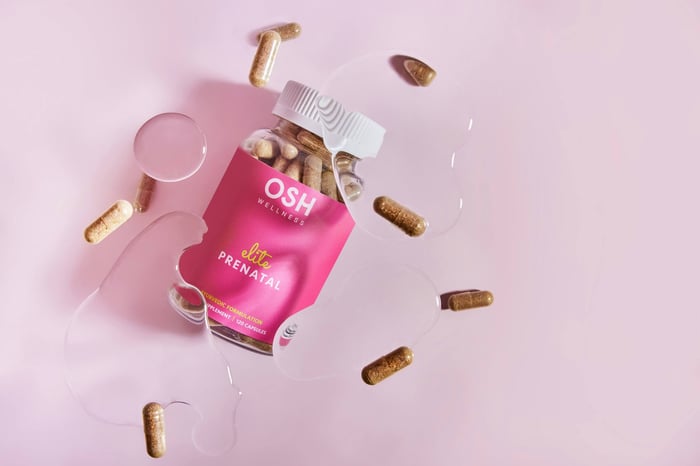
Want to support your vaginal pH naturally?
Flower Power's boric acid suppositories are GMP-certified, made in the USA, and trusted by thousands of women.
Infections & Skin Conditions
Infections are the most common cause of strong vaginal odor, usually described as fishy or foul-smelling. Here are a few common culprits:
- Bacterial Vaginosis (BV): Often goes unnoticed until symptoms worsen. Common signs include vaginal itchiness, burning during urination, and a fishy odor. BV can also cause dryness during sex, which is easily managed with a good vaginal moisture supplement.
- Trichomoniasis: A sexually transmitted infection caused by the parasite Trichomonas Vaginalis. It can cause foul-smelling discharge, itching, and painful urination.
- Pelvic Inflammatory Disease (PID): Untreated UTIs can spread and lead to PID, causing foul-smelling discharge, pelvic pain, and even infertility.
- Trimethylaminuria (TMAU, or Fish Odor Syndrome): A rare condition where body fluids smell like rotten fish or eggs. While incurable, symptoms can be managed with strict hygiene and dietary adjustments.
Other Causes of Strong Vaginal Odor
- Tampons (Toxic Shock Syndrome, TSS): Forgotten tampons can rot inside the vagina, leading to a pungent odor and potentially life-threatening infections. Tampon use increases the risk of TSS, so be sure to switch to a menstrual cup for safety.
- Excessive Sweating: If sweat in the groin area isn’t washed away, it decomposes and causes odor. Showering regularly, switching to cotton underwear, and sleeping in breathable clothing can help reduce odor.
- Your Diet: Certain foods like onions, garlic, and fish can affect how you smell. Pay attention to what your body reacts to and adjust your diet if necessary.
- Sex and pH: Many women notice an odor change after sex, potentially due to allergies to semen or pH imbalance. A simple solution is using a boric acid suppository after sex to keep things fresh.
How Vaginal Odor Can Become Dangerous
In rare cases, vaginal odor can signal a more serious issue like Toxic Shock Syndrome (TSS), which can be fatal if not treated. If you ever experience a sudden, strong, foul odor along with symptoms like fever or dizziness, see a doctor immediately.
2 Fast Ways to Get Rid of Vaginal Odor and Restore Your Confidence
If you’ve noticed a strong vaginal odor, here are two effective ways to address it:

- Visit an OB/GYN: If you suspect an infection, it’s best to see a doctor. They’ll provide a diagnosis and prescribe antibiotics if needed.
- Use Boric Acid Suppositories: If the odor persists or keeps coming back, boric acid suppositories can help. Studies show that boric acid has a 94.8% success rate in treating infections like BV and yeast infections. It works fast, often eliminating odor within 24 hours. Click here to get FlowerPower’s Boric Acid Suppositories.
Conclusion
Every vagina has its own unique scent, and that’s normal. However, if your odor becomes more intense, it could be due to infections, diet, or other factors.
The most effective ways to deal with vaginal odor are antibiotics (if there’s an infection) or using boric acid suppositories for odor and pH balance. You can get your FlowerPower Boric Acid Saver Bundle here and take back control of your feminine confidence!
Explore Our Products
Flower Power offers hormone-free supplements to help balance pH, eliminate odor, and increase moisture — all backed by our 90-day money-back guarantee.
These statements have not been evaluated by the Food and Drug Administration. This product is not intended to diagnose, treat, cure, or prevent any disease.