


You're standing in the vitamin aisle, scanning endless rows of gummies. Everything from biotin to vitamin D comes in those cheerful little chews now.
But vaginal dryness gummies? That's trickier territory.
Your body changed after menopause. Your doctor said "that's just aging" and offered hormone cream. But you want something different — something that works from the inside out without the hormones.
Let's cut through the marketing and look at what actually helps.
What Are Vaginal Dryness Gummies Really?
Here's the thing about gummies for intimate health: most of them aren't specifically for vaginal dryness at all.

What you'll find marketed as "women's health gummies" usually contain:
- Cranberry extract (for UTI prevention)
- Probiotics (for pH balance)
- Collagen (for general "feminine wellness")
- Vitamin E (as an antioxidant)
None of these directly address the root cause of postmenopausal dryness. Which is declining estrogen's effect on vaginal tissue.
The gummy format itself creates challenges. Heat and moisture destroy many active compounds. That's why you won't find truly effective herbal extracts in gummy form.
Most companies choose gummies because they're trendy and easy to take. Not because they're the best delivery method for these ingredients.
Why This Matters More Than You Think
Vaginal dryness isn't just about comfort during intimacy. Though that matters enormously.
Dry vaginal tissue is more vulnerable to:
- Bacterial infections
- Urinary tract infections
- Microscopic tears that let bacteria in
- Chronic irritation and burning
Your vaginal lining used to be thick and elastic. Estrogen kept it that way for decades. After menopause, that protective barrier gets thin and fragile.
You need ingredients that support your body's natural moisture production. Not just temporary relief.
How Your Body Actually Makes Moisture
Most vaginal products work outside-in. Creams, gels, suppositories — they add moisture externally.
But your body has its own moisture-making system. And it's connected to your gut health in ways most doctors don't discuss.
Your gut contains something called the estrobolome — specialized bacteria that help regulate estrogen metabolism. When this system works well, your body can make better use of the estrogen you still produce after menopause.
Some plant compounds can support this natural process. Slippery elm bark, for instance, contains mucilage that coats and soothes mucous membranes throughout your body. Including intimate tissues.
This inside-out approach takes longer to work. But when it does, the results tend to last longer too.
What to Look for Instead of Gummies
If you're serious about addressing vaginal dryness, consider these alternatives:
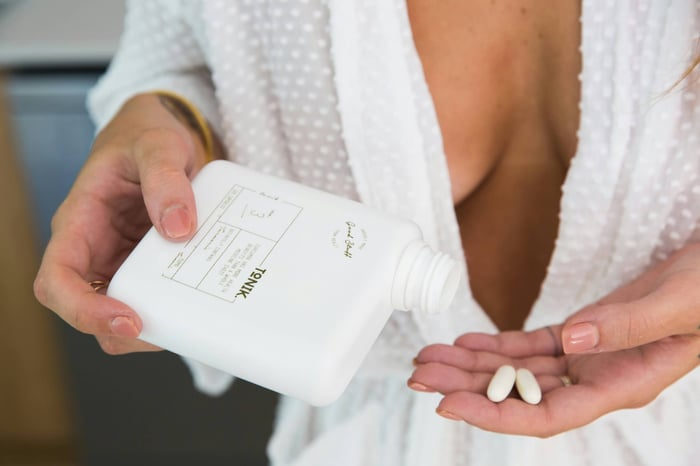
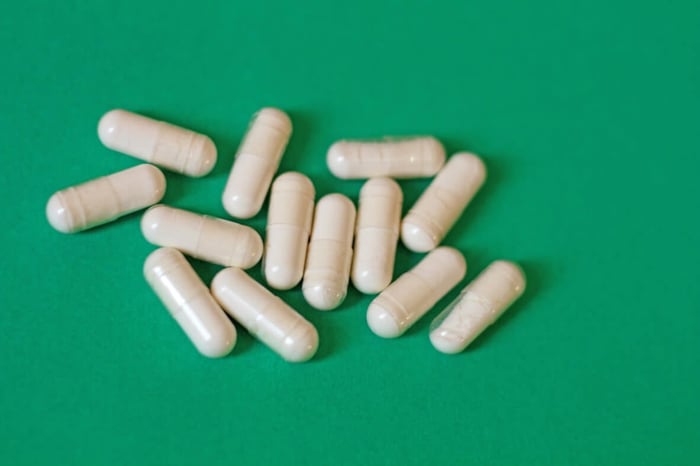
Capsules with proven botanicals:
- Sea buckthorn oil (omega-7 fatty acids)
- Hyaluronic acid (moisture retention)
- Slippery elm bark (mucilage support)
Quality probiotics designed for vaginal health: Look for specific strains like Lactobacillus crispatus and L. rhamnosus. These need to be refrigerated and have high CFU counts.
Topical options that actually work:
- Coconut oil (natural and safe)
- Vitamin E suppositories (but check with your doctor first)
- Boric acid suppositories for pH balance
The key is choosing products based on ingredients that have research behind them. Not just clever marketing.
Common Mistakes Women Make
Assuming all gummies are the same: Most "women's health" gummies contain the same basic vitamins. Read the label carefully.Expecting overnight results: Your vaginal tissue took months to change after menopause. Rebuilding moisture takes time too.
Not addressing gut health: If you've taken antibiotics recently, your gut bacteria (including your estrobolome) may need support first.
Using products with glycerin: Many personal lubricants contain glycerin, which can feed bad bacteria and cause infections.
Going it alone: This isn't something you should suffer through in silence. Talk to friends, join online communities, get support.
When to See Your Doctor
See your healthcare provider if you experience:
- Sudden onset of severe dryness (could indicate other conditions)
- Vaginal bleeding after menopause
- Persistent burning or itching that doesn't improve
- Recurrent UTIs or yeast infections
Some causes of dryness need medical attention. Autoimmune conditions, certain medications, and other health issues can all contribute.
Your doctor can also discuss prescription options like vaginal estrogen, which is very different from systemic hormone therapy.
Frequently Asked Questions
What about vaginal moisture gummies?
Most products marketed as vaginal moisture gummies contain the same ingredients as general women's health supplements. They typically include cranberry, probiotics, or basic vitamins rather than compounds that specifically support moisture production. Capsules tend to be more effective for delivering therapeutic doses of active ingredients.
Struggling with vaginal dryness?
She Juicy is a hormone-free capsule that supports natural moisture from the inside out — backed by our 90-day money-back guarantee.
What about vaginal moisture pills?
Vaginal moisture pills (capsules) can be more effective than gummies because they can contain higher concentrations of active ingredients and aren't limited by taste considerations. Look for products with sea buckthorn oil, hyaluronic acid, or botanical extracts with mucilage content that support natural moisture production.
What about power of the vaginal flower?
This appears to reference marketing language rather than a specific product or ingredient. Be cautious of products that rely heavily on flowery language without clearly listing their active ingredients and dosages. Focus on products that transparently list their botanical ingredients and concentrations.
What about best gummies for vaginal health?
The best gummy supplements for vaginal health typically contain probiotics with specific strains like Lactobacillus crispatus, though capsules usually provide higher CFU counts. Some gummies include cranberry extract for UTI prevention, but remember that vaginal dryness and UTI prevention are different concerns requiring different approaches.
What about best vaginal probiotics?
The most effective vaginal probiotics contain multiple Lactobacillus strains including L. crispatus, L. rhamnosus, and L. reuteri. Look for products with at least 10 billion CFUs that require refrigeration. Capsules generally maintain potency better than gummies, and some are designed to be inserted vaginally for direct benefits.
What about antibiotics cause vaginal dryness?
Yes, antibiotics can contribute to vaginal dryness by disrupting both gut and vaginal bacteria. This affects your estrobolome (estrogen-regulating gut bacteria) and can reduce natural moisture production. If you've recently taken antibiotics, focusing on probiotic restoration may help restore balance and support natural moisture over time.
The Bottom Line
Vaginal dryness gummies sound convenient. But they're often more marketing than medicine.
Your best bet? Look for evidence-based ingredients in forms that actually deliver therapeutic doses. Consider how your gut health connects to intimate health. And don't be afraid to try multiple approaches.
You deserve to feel comfortable in your own body. The right solution is out there — it might just not come in gummy form.
Sources
- National Institute on Aging. "Menopause: What to Expect." NIH.gov, 2023.
- American College of Obstetricians and Gynecologists. "The Menopause Years." ACOG.org, 2022.
- Mayo Clinic Staff. "Vaginal dryness." Mayo Clinic, 2023.
- Harvard Health Publishing. "The gut-hormone connection." Harvard Medical School, 2022.
Explore Our Products
Flower Power offers hormone-free supplements to help balance pH, eliminate odor, and increase moisture — all backed by our 90-day money-back guarantee.
These statements have not been evaluated by the Food and Drug Administration. This product is not intended to diagnose, treat, cure, or prevent any disease.