


You just finished a round of antibiotics. And now you're dealing with vaginal dryness that wasn't there before.
Your doctor said the infection is gone. But no one warned you about this side effect. And when you asked, they shrugged and said it would "probably get better on its own."
Here's what's really happening — and what actually works to get your natural moisture back.
What Happens When Antibiotics Cause Vaginal Dryness
Antibiotics don't just kill the bad bacteria making you sick. They wipe out your good bacteria too.
Your vagina has its own ecosystem — a delicate balance of beneficial bacteria that keep things healthy and naturally lubricated. When antibiotics disrupt this balance, dryness often follows.
But there's more to the story. Your gut bacteria also take a hit during antibiotic treatment. And your gut bacteria actually help regulate estrogen in your body through something called the estrobolome.
When your gut bacteria are depleted, your body can't process estrogen as effectively. Less available estrogen means less natural vaginal moisture.
Why This Matters More Than Your Doctor Realizes
Most doctors focus on clearing the infection. They rarely mention that antibiotics cause vaginal dryness as a common side effect.
But for women over 50, this disruption can be especially problematic. You're already dealing with naturally declining estrogen levels from menopause.
Add antibiotic disruption on top of that? Your body's moisture production can take weeks or months to recover.
The standard advice — "use lubricant" — only addresses symptoms. It doesn't help your body restore its natural balance.
The Inside-Out Approach That Actually Works
Here's what most women don't know: lasting moisture support starts in your gut, not your vagina.
Your gut bacteria help metabolize estrogen through specialized bacteria called the estrobolome. When these bacteria are healthy, they help your body use estrogen more effectively.
More effective estrogen metabolism means better support for vaginal tissue hydration. Your body can actually produce its own natural moisture again.
This is why probiotics alone often fall short. You need something that specifically supports the gut lining where these beneficial bacteria live.
What to Look for in Real Solutions
Skip anything that only works on the surface. Topical treatments might provide temporary relief, but they don't address the root cause.
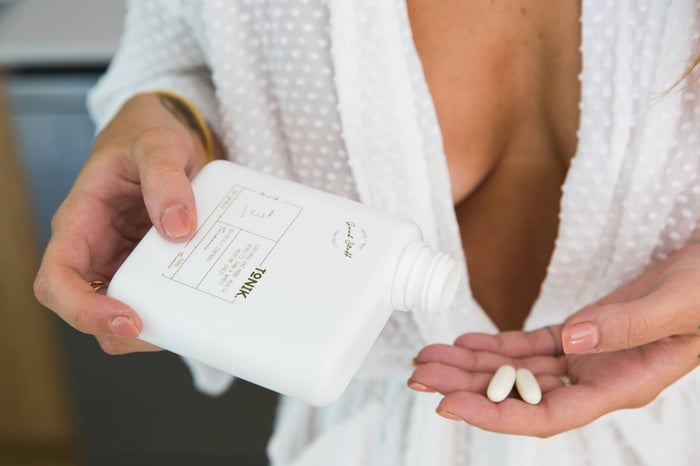
Look for approaches that support your body's natural bacteria balance. This includes gentle, gut-supporting herbs that create an environment where beneficial bacteria can thrive.
Slippery elm is one herb that's been traditionally used for exactly this purpose. It creates a protective coating in your digestive tract that supports healthy bacteria growth.
The key is finding slippery elm that's harvested at peak potency and processed without heat damage. Most commercial preparations destroy the active compounds that make it effective.
Common Mistakes That Keep You Stuck
Mistake #1: Only using topical treatments Lubes and moisturizers only address symptoms. They don't help your body restore its natural moisture production.
Mistake #2: Thinking it will resolve on its own While some women do see improvement over time, many continue struggling with dryness months after finishing antibiotics.Mistake #3: Taking random probiotics Not all probiotics support vaginal health. And if your gut lining is compromised, they might not even colonize properly.Mistake #4: Assuming you need hormones Many women can restore natural moisture without hormone therapy. It just requires supporting the right biological pathways.
When to See Your Doctor
Contact your healthcare provider if you experience:
- Persistent vaginal itching or burning
- Unusual discharge or odor
- Pain during intercourse that doesn't improve
- Signs of recurring infections
These could indicate complications that need medical attention. Never ignore symptoms that worsen or don't improve with supportive care.
If you're a breast cancer survivor or have hormone-sensitive conditions, always consult your oncologist before trying any new supplements.
Frequently Asked Questions
What about vaginal dryness after menopause?
Vaginal dryness after menopause is primarily caused by declining estrogen levels. But supporting your gut bacteria can help your body use whatever estrogen you do have more effectively. This inside-out approach often provides meaningful relief even for postmenopausal women.
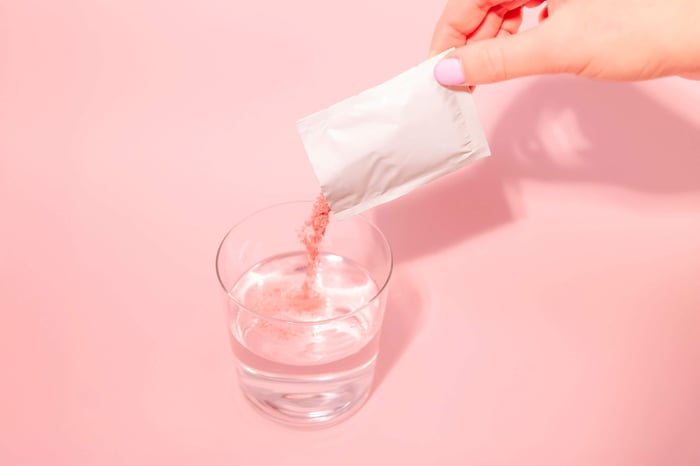
Struggling with vaginal dryness?
She Juicy is a hormone-free capsule that supports natural moisture from the inside out — backed by our 90-day money-back guarantee.
What about vaginal dryness causes?
Beyond antibiotics, common causes include hormonal changes, certain medications (like antihistamines and antidepressants), stress, and autoimmune conditions. The gut-estrobolome connection affects moisture levels regardless of the underlying cause.
What about vaginal dryness during perimenopause?
During perimenopause, your estrogen levels fluctuate wildly. Supporting your gut bacteria helps your body process these hormonal changes more smoothly. Many women find their symptoms become more manageable when they address the gut-hormone connection.
What about vaginal dryness and breastfeeding?
Breastfeeding naturally suppresses estrogen to prevent pregnancy. This is temporary, but supporting your gut health during this time can help your body transition back to normal hormone production more easily once you stop nursing.
What about vaginal dryness after hysterectomy?
If your ovaries were removed during hysterectomy, you'll experience surgical menopause with immediate estrogen decline. Supporting your estrobolome becomes even more important since you can't rely on ovarian hormone production.
What about vaginal dryness and antidepressants?
Many antidepressants can cause vaginal dryness as a side effect. They affect neurotransmitters that influence sexual response and natural lubrication. Supporting overall hormone metabolism may help counteract some of these effects.
Your Body Knows How to Heal
You don't have to accept that antibiotics cause vaginal dryness as your new normal. Your body has incredible healing capacity when given the right support.
The key is working with your body's natural systems instead of against them. Support your gut bacteria. Give your estrobolome what it needs to function properly. Trust your body's wisdom.Individual results may vary. This information is for educational purposes only and is not intended to replace professional medical advice.
Sources
- National Institute of Health: "The Vaginal Microbiome and Antibiotic Treatment" - nih.gov
- Mayo Clinic: "Vaginal Dryness: Causes and Treatment Options" - mayoclinic.org
- American College of Obstetricians and Gynecologists: "Vaginal Atrophy and Dryness" - acog.org
- Journal of Clinical Medicine: "The Estrobolome and Women's Health" - ncbi.nlm.nih.gov
Explore Our Products
Flower Power offers hormone-free supplements to help balance pH, eliminate odor, and increase moisture — all backed by our 90-day money-back guarantee.
These statements have not been evaluated by the Food and Drug Administration. This product is not intended to diagnose, treat, cure, or prevent any disease.