


You've been there. The burning. The itching. The discharge that makes you want to crawl out of your skin.
And when you finally get tested, they tell you your pH is 4.5. Which sounds... normal? But you feel anything but normal.
Here's the thing about a 4.5 pH balance — it's not automatically good or bad. It's all about context.
What Does a 4.5 pH Balance Actually Mean?
Your vaginal pH naturally sits between 3.8 and 4.5. So technically, 4.5 is at the higher end of normal.
But "normal" doesn't always mean comfortable. And it definitely doesn't mean symptom-free.
When your pH hits 4.5, you're walking a tightrope. You're right at the edge where beneficial bacteria (like lactobacilli) start losing their grip. And opportunistic bacteria start getting ideas.
Think of it like your vaginal ecosystem is holding its breath.
Why Your pH Balance Matters More Than You Think
Here's what nobody tells you about vaginal pH.
It's not just about preventing infections. Your pH balance affects everything — comfort, odor, discharge, even how you feel about intimacy.
When your 4.5 pH balance tips even slightly higher, problems cascade fast. Bad bacteria multiply. Good bacteria retreat. Your natural defenses crumble.
And if you're postmenopausal? Your pH baseline has already shifted higher due to declining estrogen. So that 4.5 reading might actually represent a bigger problem than it would for a 30-year-old.
How pH Balance Works (And Why It Goes Wrong)
Your vagina is like a carefully balanced aquarium.
Lactobacilli bacteria produce lactic acid, which keeps pH low and acidic. This acidity prevents harmful bacteria and yeast from taking over.
But this system depends on estrogen. Estrogen feeds the lactobacilli. Without enough estrogen, the good bacteria starve. pH creeps higher.
Other pH disruptors include:
- Antibiotics (kill good bacteria along with bad)
- Douching or harsh soaps
- Hormonal changes from stress or illness
- Blood from menstruation (temporarily raises pH)
What to Look for in pH Support Options
Not all pH-balancing products are created equal.
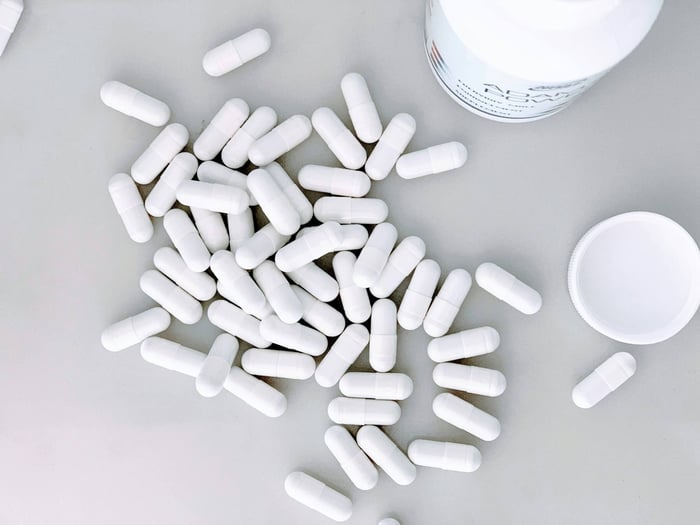
Boric acid suppositories are considered the gold standard by many gynecologists. They help restore acidic pH and create an environment where beneficial bacteria can thrive.
Look for:
- 600mg dosage (the research-backed amount)
- GMP-certified manufacturing
- Third-party testing for purity
- Made in USA facilities
Probiotics can help long-term, but they work slowly. Look for strains specifically researched for vaginal health — like Lactobacillus rhamnosus and Lactobacillus reuteri.
pH test strips let you monitor at home. But don't obsess over daily readings. pH fluctuates naturally throughout your cycle.
Common Mistakes That Make pH Problems Worse
Stop doing these things. Seriously.Douching. Even with "pH-balanced" products. Your vagina doesn't need internal cleaning. Ever.Scented products. Soaps, wipes, sprays — they all disrupt your natural balance. Stick to plain water or gentle, unscented cleansers for external areas only.
Taking random probiotics. Not all probiotics help vaginal health. Some can actually make things worse. Choose strains with actual vaginal research behind them.
Ignoring recurring symptoms. If you're constantly dealing with pH issues, something deeper is going on. See a healthcare provider who takes you seriously.
When to See Your Doctor
Don't tough this out alone.
See a healthcare provider if you have:
- Persistent odor that doesn't improve
- Burning or itching that interferes with daily life
- Unusual discharge (color, texture, or smell changes)
- Pain during urination or intimacy
- Symptoms that return immediately after treatment
If you're postmenopausal, consider seeing a menopause specialist. They understand how hormonal changes affect vaginal health. And they won't dismiss your concerns as "just aging."
FAQ
What about 5.0 ph balance?
A 5.0 pH balance is elevated and often indicates bacterial imbalance. At this level, harmful bacteria can flourish while beneficial lactobacilli struggle. You'll likely experience symptoms like odor or discharge, and should consider pH-supporting interventions.

Looking for natural feminine health support?
Flower Power offers hormone-free supplements to help balance pH, eliminate odor, and increase moisture — trusted by thousands of women.
What about 6.5 ph balance?
A 6.5 pH balance is significantly elevated and typically indicates bacterial vaginosis or another infection. This level creates an environment where harmful bacteria thrive. See a healthcare provider for proper diagnosis and treatment options.
What about 7.0 ph balance?
A 7.0 pH balance is quite high for vaginal health and often signals active infection or severe hormonal imbalance. This alkaline environment allows harmful bacteria and yeast to multiply rapidly. Professional medical evaluation is recommended at this level.
What about best ph balance suppositories?
The best pH balance suppositories contain boric acid in research-backed 600mg doses. Look for GMP-certified products that are third-party tested for purity. Quality matters more than price when it comes to supporting your vaginal health effectively.
How do you balance ph after period?
To balance pH after your period, avoid douching and use gentle, unscented cleansers externally only. Consider boric acid suppositories for a few days post-menstruation. Menstrual blood temporarily raises pH, but your body usually rebalances naturally within a few days.
How do you balance ph levels?
Balance pH levels by supporting your body's natural processes. Use pH-supporting suppositories when needed, choose vaginal-specific probiotics, and avoid disruptive products like douches or scented soaps. Focus on overall health — stress management, adequate sleep, and proper nutrition all impact vaginal pH.You deserve to feel comfortable in your own body. A 4.5 pH balance doesn't have to mean living with constant symptoms.
Start with gentle support. Listen to your body. And never let anyone dismiss your concerns as "just part of aging."
Your comfort matters. Your health matters. And solutions exist.
Sources
- National Institutes of Health. "Vaginal pH and Microbiome." NIH National Library of Medicine, 2023.
- American College of Obstetricians and Gynecologists. "Vaginitis: Frequently Asked Questions." ACOG Patient Education, 2022.
- Mayo Clinic. "Vaginal pH Balance: What You Need to Know." Mayo Clinic Health Information, 2023.
- International Urogynecological Association. "Vaginal Health in Postmenopausal Women." IUGA Clinical Guidelines, 2022.
Explore Our Products
Flower Power offers hormone-free supplements to help balance pH, eliminate odor, and increase moisture — all backed by our 90-day money-back guarantee.
These statements have not been evaluated by the Food and Drug Administration. This product is not intended to diagnose, treat, cure, or prevent any disease.