


If you're holding a box of boric acid suppositories and wondering whether you're about to put something dangerous inside your body — that's a fair question. The word "acid" is alarming. The fact that boric acid is also used in insecticides doesn't help. And a quick Google search will show you some scary-sounding results.
Here's the short answer: when used vaginally at the standard 600mg dose, boric acid suppositories are considered safe by the CDC, multiple peer-reviewed studies, and decades of clinical use. They are not the same as ingesting boric acid orally, and the risks — while real — are well-understood and manageable.
Let's go through every safety concern, side effect, and danger you might be worried about.
How Dangerous Is Boric Acid, Really?
Every substance has a toxicity threshold — including ones you use every day. The relevant measure is the LD50, which is the dose at which a substance becomes lethal in lab studies.
Boric acid's LD50 is 5.14 g/kg of body weight. For context, table salt's LD50 is 3.75 g/kg — meaning salt is technically more acutely toxic than boric acid by weight. Ibuprofen's LD50 is 0.636 g/kg, and aspirin's is 0.2 g/kg. You'd need to ingest roughly 50 boric acid suppositories at once to approach the toxic range for an average adult.
The Agency for Toxic Substances and Disease Registry reviewed 784 cases of boric acid exposure and reported no fatalities. Deaths from boric acid are extraordinarily rare and involve massive oral ingestion — not vaginal use.
Each standard boric acid suppository contains 600mg — that's 0.6 grams, which is 50 times less than the amount considered toxic for a 132-pound woman. When used vaginally, the absorption rate is significantly lower than oral ingestion, adding another margin of safety.
Are Boric Acid Suppositories Safe for Vaginal Use?
Yes. The CDC includes intravaginal boric acid as a recommended alternative therapy for recurrent vulvovaginal candidiasis (yeast infections) in its STI Treatment Guidelines. Multiple clinical studies have confirmed its safety and efficacy when used at 600mg doses for 7-14 day courses.
Boric acid has been used for vaginal health since the 1960s. It works by restoring the vaginal pH to its healthy acidic range (3.8-4.5), which supports the growth of protective Lactobacillus bacteria while making the environment inhospitable to harmful organisms like Candida (yeast) and Gardnerella (the primary BV bacterium).
The key safety distinction is the route of administration. Boric acid is toxic if swallowed in large quantities. It is safe when used as a vaginal suppository at recommended doses. These are not the same thing — just like many medications are safe in one form but dangerous in another.
Can Boric Acid Hurt My Partner?
This is one of the most common concerns, and it deserves a direct answer.

During vaginal sex: You should avoid sexual intercourse for at least 24 hours after inserting a boric acid suppository. The undissolved or partially dissolved boric acid can cause irritation to your partner's skin, and trace amounts could theoretically be transferred. Most healthcare providers recommend inserting suppositories at bedtime and waiting until the following evening before having sex.
Oral sex: Do not receive oral sex while using boric acid suppositories. Boric acid is not safe for ingestion at any amount, and residual boric acid in the vaginal canal could be transferred orally. Wait at least 24-48 hours after your last suppository, and rinse the external area thoroughly before receiving oral sex.
For male partners: Brief skin contact with trace amounts of dissolved boric acid is unlikely to cause harm, but it can cause irritation — particularly to sensitive penile tissue. If your partner experiences burning or discomfort, it's likely from residual boric acid. Using a condom provides a barrier, but the simplest solution is to time your suppository use so it's fully dissolved and cleared before intercourse.
Bottom line: Boric acid won't cause serious harm to your partner through incidental contact, but it can cause irritation. Wait at least 24 hours after insertion before any sexual activity, and longer for oral sex.
Boric Acid Suppository Side Effects
Like any treatment, boric acid suppositories can cause side effects. Most are mild and temporary.
Common side effects (generally harmless):
Light spotting or pinkish-brown discharge is the most frequently reported side effect. This happens because boric acid can cause temporary irritation to vaginal tissue, especially tissue that's already inflamed from infection. This typically resolves within 1-3 days.
Watery or increased vaginal discharge is normal — it's the dissolved suppository material mixed with vaginal fluid. This is expected, not a sign of a problem.
Mild burning or stinging during the first few minutes after insertion is common, especially if you have an active infection. This usually fades quickly and decreases with subsequent uses.
Mild cramping similar to light period cramps can occur as the vaginal environment adjusts to the pH change.
Less common side effects (monitor closely):
Persistent burning that doesn't fade after 15-20 minutes may indicate sensitivity to boric acid. If this happens consistently, stop use and talk to your doctor.
Heavy bleeding (soaking a pad) is not a normal boric acid side effect and should be evaluated by a healthcare provider. Light spotting is normal — heavy bleeding is not.Serious side effects (stop use immediately):Severe pain, fever above 100.4°F, foul-smelling discharge, or allergic reaction symptoms (significant swelling, rash, hives) are reasons to stop using boric acid and contact your doctor right away.
Can Boric Acid Suppositories Cause Bleeding?
Yes — light spotting is a known and common side effect. The boric acid changes the vaginal pH, which can temporarily irritate tissue that's already inflamed from infection. The physical insertion of the suppository can also cause minor tissue trauma, especially in women with vaginal dryness.
Light pink or brownish spotting during the first 2-3 days of use is within the range of normal. Heavy, bright red bleeding is not normal and should prompt you to stop use and see your doctor.
If vaginal dryness is making suppository insertion uncomfortable and contributing to spotting, addressing the dryness separately can help. Supporting natural vaginal moisture from the inside out makes the tissue more resilient and insertion more comfortable.
Can I Use Boric Acid Suppositories Every Day?
Standard treatment protocols call for one 600mg suppository per night for 7-14 days. After the initial treatment course, many healthcare providers recommend a maintenance protocol of 1-2 suppositories per week to prevent recurrence.
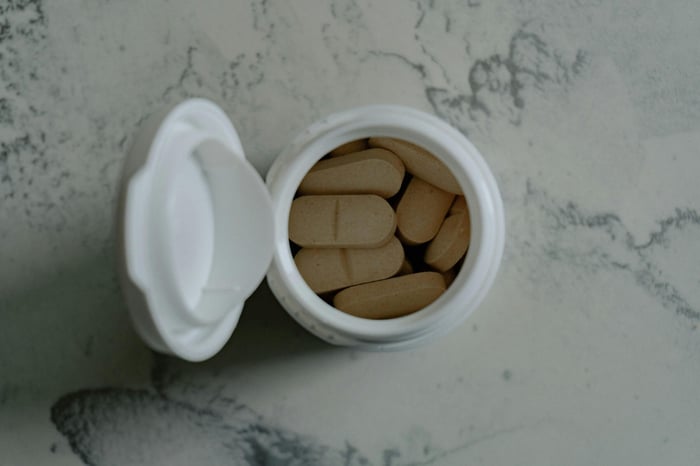
Using boric acid daily beyond the recommended treatment course is not advised without your doctor's guidance. Extended daily use can cause cumulative irritation to vaginal tissue. The suppositories are a treatment tool, not a daily supplement — use them for the prescribed duration, then switch to maintenance frequency.
Can I Use 2 Boric Acid Suppositories at Once?
No. The standard dose is one 600mg suppository per insertion. Using two suppositories doubles the dose to 1,200mg, which significantly increases the risk of tissue irritation, burning, and spotting without providing faster results.
Want to support your vaginal pH naturally?
Flower Power's boric acid suppositories are GMP-certified, made in the USA, and trusted by thousands of women.
If one suppository doesn't seem to be working, the solution isn't a higher dose — it's talking to your doctor about whether boric acid is the right treatment for your specific situation, or whether something else is going on.
Can Boric Acid Suppositories Cause Cancer?
There is no evidence that vaginal use of boric acid suppositories causes cancer in humans. The International Agency for Research on Cancer (IARC) has not classified boric acid as a carcinogen. The EPA's review of boric acid toxicity data also found no evidence of carcinogenicity.
The concern sometimes arises because boric acid is classified as a reproductive toxicant at very high oral doses in animal studies — but this involves chronic, high-dose oral exposure, not intermittent vaginal use at 600mg doses. These are fundamentally different exposure scenarios.
Can Boric Acid Cause Diarrhea?
Vaginal boric acid suppositories should not cause diarrhea when used correctly. Diarrhea is a symptom of oral boric acid ingestion — not vaginal use.

If you experience diarrhea while using boric acid suppositories, it's very unlikely the suppository caused it. Consider other factors: antibiotics you may be taking, dietary changes, stress, or illness. If the diarrhea is severe and you're concerned about accidental oral exposure, contact poison control.
What Happens If You Accidentally Swallow a Boric Acid Suppository?
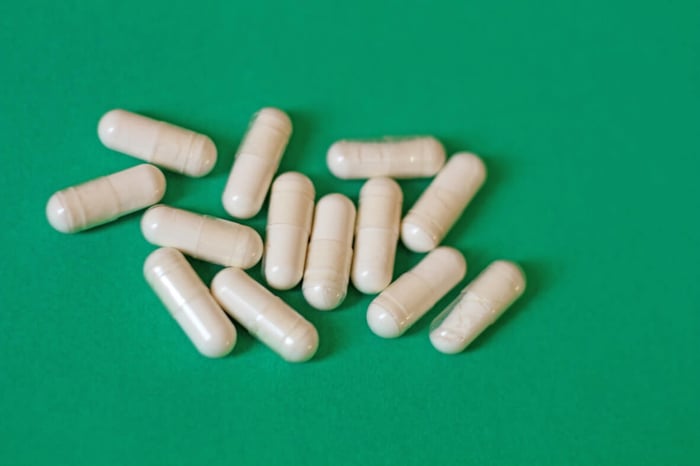
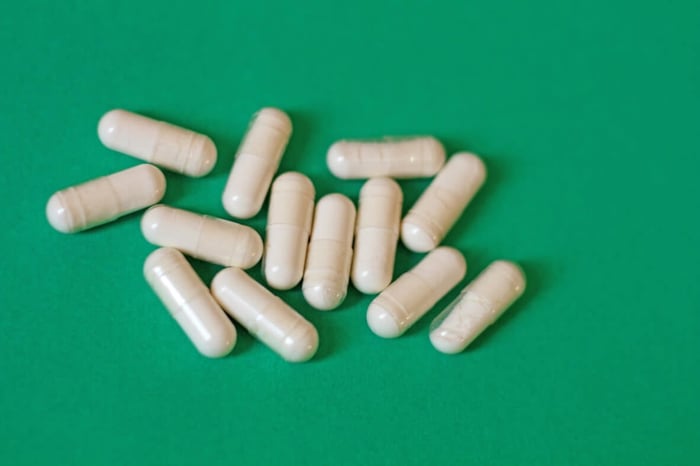
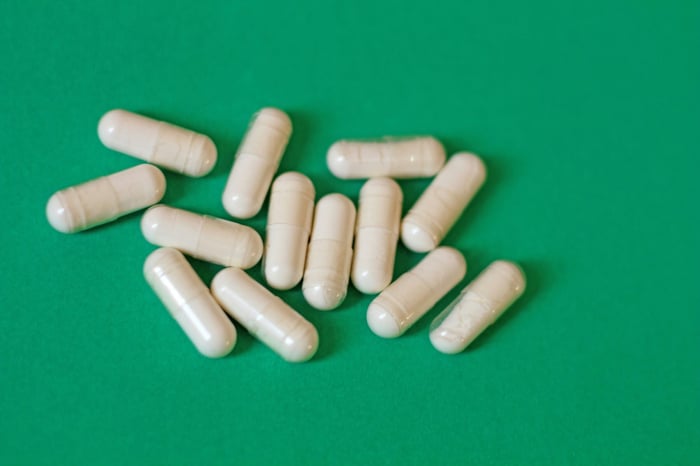
Boric acid suppositories look similar to oral capsules, and accidental ingestion does happen. If someone swallows a single 600mg suppository, the most likely symptoms are mild nausea, stomach upset, or diarrhea. A single capsule is well below the toxic threshold.
However, you should still contact Poison Control (1-800-222-1222 in the US) for guidance if a suppository is accidentally swallowed. Keep boric acid suppositories clearly labeled and stored separately from oral medications to prevent this.
If a child ingests boric acid, seek medical attention immediately regardless of the amount.
Who Should NOT Use Boric Acid Suppositories
Boric acid suppositories are not appropriate for everyone. Do not use them if you are pregnant — boric acid has not been proven safe during pregnancy and animal studies suggest potential reproductive toxicity. Do not use them if you have open wounds, sores, or ulcers on vaginal tissue. Do not use them if you have a known allergy or sensitivity to boric acid or boron compounds. Do not apply them to broken skin, and never take them orally.
If you're breastfeeding, consult your healthcare provider before use. While vaginal absorption is limited, the safety data for breastfeeding women is not comprehensive.
The Bottom Line
Boric acid suppositories are a well-studied, CDC-recognized treatment for recurrent vaginal infections. At the standard 600mg vaginal dose, they have a strong safety profile backed by decades of clinical use.
The real dangers of boric acid come from oral ingestion at high doses — not from vaginal suppository use. Side effects like light spotting and mild discomfort are common but temporary. Serious complications are rare when used as directed.
Use them as prescribed, store them away from children and oral medications, wait at least 24 hours before sexual activity, and talk to your doctor if you experience anything beyond mild, temporary side effects.
Explore Our Products
Flower Power offers hormone-free supplements to help balance pH, eliminate odor, and increase moisture — all backed by our 90-day money-back guarantee.
These statements have not been evaluated by the Food and Drug Administration. This product is not intended to diagnose, treat, cure, or prevent any disease.