


You're researching boric acid applicators because something's not right down there. Maybe your pH feels off. Maybe you're dealing with recurring issues that keep coming back no matter what you try.
And now you're wondering: do you need a special applicator? Is it safe? What should you expect?
I get it. You want straight answers, not medical jargon.
What Is a Boric Acid Applicator?
Here's the thing about boric acid applicators — most women don't actually need them.
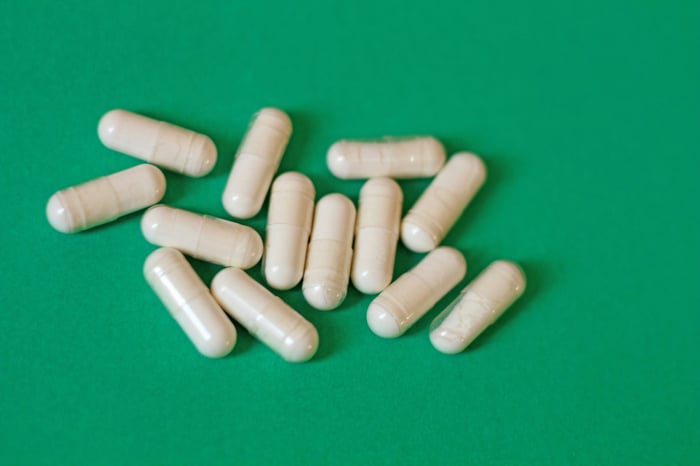
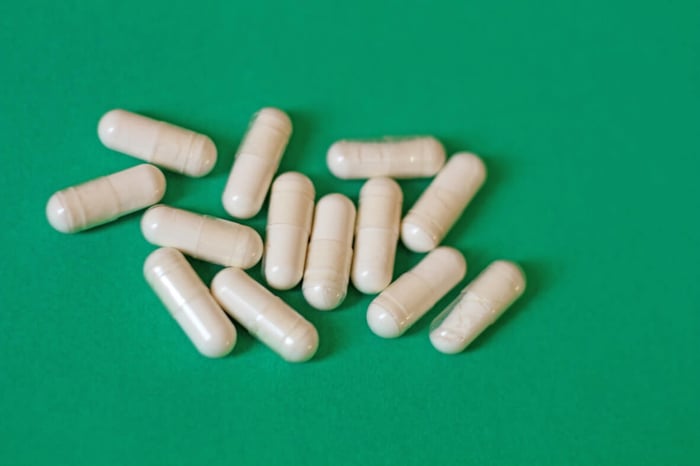
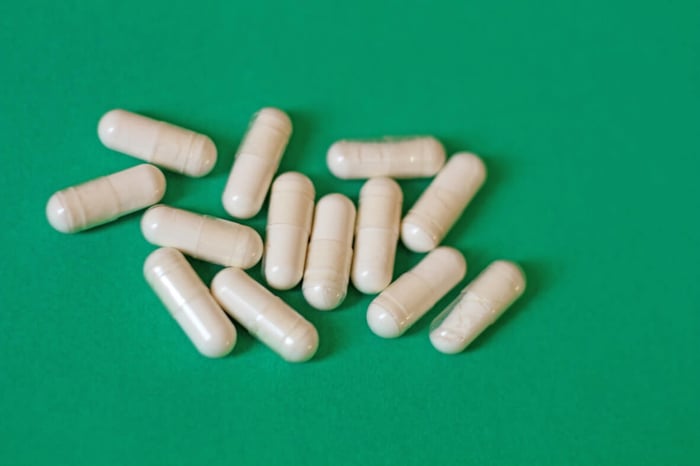
Most boric acid products come as suppositories. These are small, capsule-shaped inserts you place directly into the vagina with your fingers. No applicator required.
But some women prefer applicators for hygiene reasons. Or because they have limited mobility. Or simply because it feels more comfortable.
A boric acid applicator is typically a smooth plastic or medical-grade silicone tube. About the size of a tampon applicator. It helps you insert boric acid powder or gel more precisely.
Why Proper Application Matters
Your vagina has its own delicate ecosystem. The pH should ideally be between 3.8 and 4.5 — slightly acidic to keep harmful bacteria at bay.
But after menopause? Estrogen drops. Your vaginal pH can become more alkaline. This creates the perfect environment for unwanted bacteria and yeast to thrive.
Boric acid may help restore that natural acidic balance. But only when used correctly.
Wrong application technique can cause irritation. Or worse — damage to sensitive vaginal tissues.
How Boric Acid Works in Your Body
Boric acid is naturally antifungal and antibacterial. When inserted vaginally, it helps lower pH to a more acidic level.
Think of it as rebalancing your vaginal environment. Not treating a disease — supporting your body's natural balance.
The key is gentle, proper insertion. Whether you use your fingers or a boric acid applicator.
Most women find that boric acid suppositories work best when inserted before bedtime. Gravity helps keep everything in place while you sleep.
What to Look for in a Boric Acid Product
Forget fancy applicators for a moment. The boric acid itself matters more.
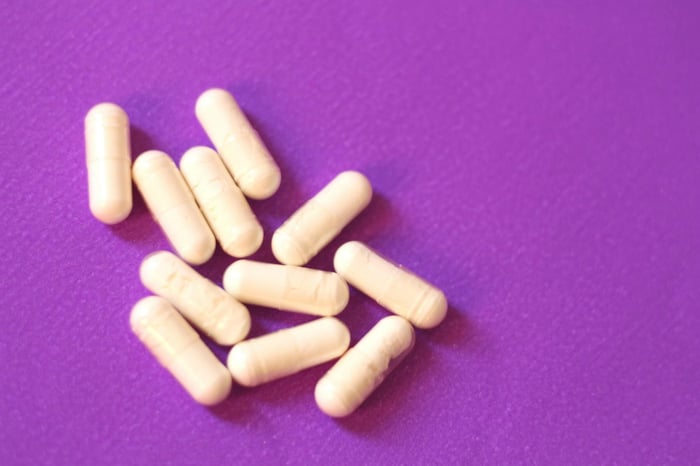
Look for pharmaceutical-grade boric acid. 600mg is the standard dosage most gynecologists recommend.
Third-party testing is non-negotiable. You want to know exactly what you're putting in your body.
GMP certification means the facility meets strict manufacturing standards. Made in the USA often means better quality control.
Avoid products with unnecessary additives. Simple is better when it comes to vaginal health.
Common Mistakes Women Make
Mistake #1: Using too much, too often. Start with one suppository daily for 7 days max. More is not better.
Mistake #2: Using during your period. Wait until your cycle ends. Menstrual blood can interfere with pH balancing.
Mistake #3: Expecting instant results. Give it time. Some women notice changes within days. Others need the full week.
Mistake #4: Not staying lying down. Insert before bed and stay horizontal for at least 30 minutes. Otherwise, everything just leaks out.
Mistake #5: Using when pregnant. Never use boric acid if you're pregnant or trying to conceive. Always check with your doctor first.
When to See Your Doctor
Some symptoms need medical attention, not DIY solutions.See your healthcare provider if you experience:
- Heavy bleeding or unusual discharge
- Severe pelvic pain or cramping
- Fever or chills
- Symptoms that worsen after 3 days
- Allergic reactions like severe itching or swelling
If you're a breast cancer survivor or taking hormone therapy, talk to your oncologist before using any vaginal products.
Your safety comes first. Always.
Frequently Asked Questions
Can boric acid cause bleeding?
Yes, some women experience light spotting when using boric acid suppositories. This usually happens because boric acid can cause mild irritation to sensitive vaginal tissues. The bleeding is typically very light — more like spotting than a real period.
Want to support your vaginal pH naturally?
Flower Power's boric acid suppositories are GMP-certified, made in the USA, and trusted by thousands of women.
If you're seeing heavy bleeding or clots, stop using boric acid immediately and call your doctor.
How long does bleeding last after boric acid?
Light spotting from boric acid usually lasts 1-2 days after you stop using it. Some women only spot for a few hours. Your body needs time to adjust to the pH changes.
If bleeding continues beyond 3 days, or gets heavier instead of lighter, that's your cue to see your healthcare provider.
Why does boric acid make me bleed?
Boric acid can cause bleeding because it temporarily changes your vaginal pH and may irritate delicate tissues. Think of it like a mild chemical exfoliant — it's helping restore balance, but that process can cause some temporary irritation.
Postmenopausal women are more likely to experience this because estrogen deficiency makes vaginal tissues thinner and more sensitive.
Can boric acid suppositories cause bleeding and cramping?
Yes, some women experience both light bleeding and mild cramping when using boric acid suppositories. The cramping usually feels like light menstrual cramps and should be manageable with over-the-counter pain relief.
If you're having severe cramping or pain that interferes with daily activities, discontinue use and consult your healthcare provider.
What about bleeding after using boric acid suppositories?
Bleeding after using boric acid suppositories is relatively common, especially during your first few uses. Your vaginal tissues are adjusting to the pH changes. Most women find this stops after 2-3 days.
However, if bleeding is heavy, lasts more than a week, or is accompanied by severe pain, seek medical attention promptly.
What about boric acid allergy?
True boric acid allergies are rare, but they can happen. Symptoms include severe itching, burning, swelling, or rash around the vulva and vagina. Some women also experience difficulty breathing or widespread hives.
If you suspect you're allergic to boric acid, stop using it immediately and contact your healthcare provider. They may recommend allergy testing or alternative treatments.
The Bottom Line
You don't necessarily need a special boric acid applicator. Most suppositories work perfectly fine with gentle finger insertion.
But if an applicator makes you feel more comfortable, go for it. The important thing is using boric acid safely and consistently.
Remember: you're supporting your body's natural pH balance. Not treating a disease. There's a difference, and your doctor should be part of this conversation.
Your vaginal health matters. You deserve to feel comfortable in your own body.
Trust yourself. Listen to your body. And don't hesitate to ask for medical guidance when you need it.
Individual results may vary. Always consult your healthcare provider before starting any new supplement routine.
Sources
- National Center for Biotechnology Information: Boric Acid for Vaginal Health
- American College of Obstetricians and Gynecologists: Vaginal pH and Infections
- Mayo Clinic: Vaginal Health and Aging
- Cleveland Clinic: Boric Acid Suppositories
Explore Our Products
Flower Power offers hormone-free supplements to help balance pH, eliminate odor, and increase moisture — all backed by our 90-day money-back guarantee.
These statements have not been evaluated by the Food and Drug Administration. This product is not intended to diagnose, treat, cure, or prevent any disease.