


That fishy smell. The gray discharge. The burning sensation that makes you want to crawl out of your skin.
If you're dealing with bacterial vaginosis (BV), you know how frustrating it can be. Especially when antibiotics seem to clear it up for a few weeks, only to have it come roaring back worse than before.
You're not broken. And you're definitely not alone. BV is the most common vaginal infection in women of reproductive age. But here's what nobody tells you: finding the right bacterial vaginosis home remedies treatment approach can make all the difference.
Let's talk about what actually works — and what's just wishful thinking.
What Is Bacterial Vaginosis (And Why Does It Keep Coming Back)?
Bacterial vaginosis isn't actually an infection in the traditional sense. It's an imbalance.
Your vagina is home to dozens of different bacteria. The good guys (mainly lactobacilli) keep your pH acidic and crowd out troublemakers. But when that balance gets disrupted, harmful bacteria take over.
The result? That telltale fishy odor, grayish discharge, and sometimes burning or itching that can drive you absolutely crazy.
Here's the kicker: BV has a sneaky tendency to come back. Studies show recurrence rates of up to 50% within 12 months, even after successful antibiotic treatment. That's because antibiotics are like dropping a nuclear bomb on your vaginal ecosystem — they kill everything, good and bad.
Why Traditional Treatments Often Fall Short
Most doctors reach straight for the prescription pad. Metronidazole. Clindamycin. These antibiotics can clear up BV symptoms quickly.
But they don't address the underlying imbalance that caused BV in the first place.
Think of it like this: if your garden keeps growing weeds, you can spray them with herbicide every few weeks. Or you can work on the soil health so the good plants can thrive and naturally crowd out the weeds.
That's where bacterial vaginosis home remedies treatment comes in.
The Science Behind Natural BV Management
The most promising research focuses on restoring your vaginal pH and supporting healthy bacteria. Your vagina thrives at a pH between 3.8 and 4.5 — acidic enough to keep harmful bacteria in check.
When your pH gets too alkaline (above 4.5), trouble starts brewing.
Several natural approaches have shown promise in clinical studies:
pH restoration is the foundation. BV bacteria can't survive in a properly acidic environment. This is why boric acid suppositories have gained attention — they help restore optimal vaginal pH.
Probiotic support helps repopulate good bacteria. Look for strains like Lactobacillus rhamnosus and Lactobacillus reuteri that are specifically studied for vaginal health.
Lifestyle modifications address root causes. This includes everything from switching to cotton underwear to being mindful about douching (spoiler: don't do it).
What to Look for in Natural BV Support
Not all natural remedies are created equal. Here's what actually has science behind it:
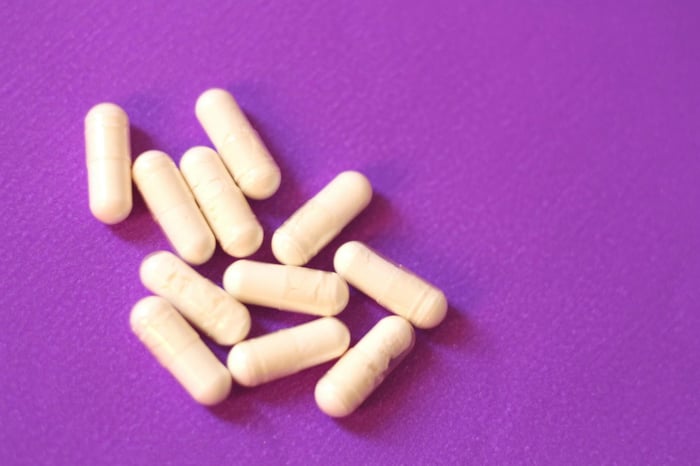
Boric acid suppositories are probably the most studied natural option. Multiple clinical trials show they can help restore vaginal pH. Look for pharmaceutical-grade boric acid in 600mg capsules.
Quality probiotics matter, but not all strains help with vaginal health. You want specific lactobacilli strains that can actually survive the journey and colonize your vaginal tissue.
D-mannose shows promise for preventing recurring infections by preventing harmful bacteria from sticking to vaginal walls.
Be wary of anything that sounds too good to be true. Essential oils, for example, can actually irritate delicate vaginal tissue and make things worse.
Common Mistakes That Make BV Worse
Here's what NOT to do when you're dealing with BV:
Don't douche. Ever. Douching disrupts your vaginal pH and washes away protective bacteria. It's like power-washing the soil in your garden.Don't use scented products down there. Scented soaps, bubble baths, and feminine hygiene sprays can irritate tissue and disrupt your natural balance.Don't assume all discharge is bad. Normal vaginal discharge changes throughout your cycle. But bacterial vaginosis discharge typically has a fishy smell and grayish color that's different from normal changes.
Don't ignore recurring symptoms. If you're dealing with BV multiple times a year, there's usually an underlying cause that needs attention.
When to See Your Doctor
Natural approaches can be incredibly helpful for supporting vaginal health. But there are times when you absolutely need professional medical care.
See your healthcare provider if:
- You have pelvic pain or fever
- Symptoms are getting worse despite treatment
- You're pregnant (BV during pregnancy needs medical management)
- You've never been diagnosed with BV before
- Your discharge changes color to yellow or green
- You develop severe burning or itching
Remember, bacterial vaginosis brown discharge or unusual colors warrant immediate medical attention.
Your doctor can confirm the diagnosis with a simple test and rule out other conditions like yeast infections or STIs that require different treatment approaches.
Frequently Asked Questions
What about all natural BV treatment?
Natural BV treatment focuses on restoring vaginal pH balance and supporting healthy bacteria rather than just killing harmful ones. The most researched options include boric acid suppositories, specific probiotic strains, and lifestyle modifications. While these can be very helpful for prevention and support, work with your healthcare provider for a comprehensive approach.
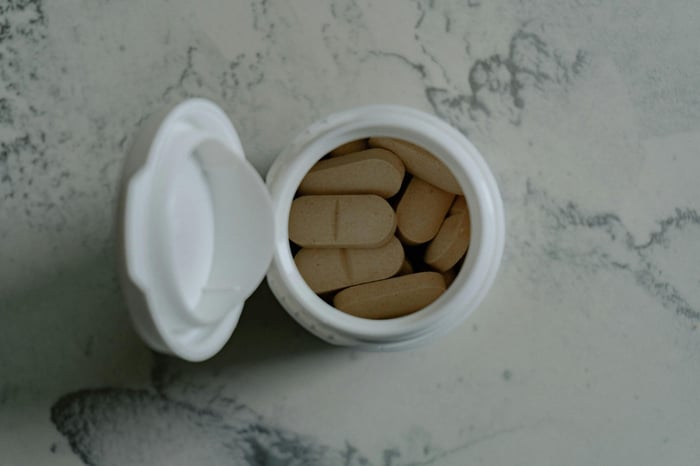
Want to support your vaginal pH naturally?
Flower Power's boric acid suppositories are GMP-certified, made in the USA, and trusted by thousands of women.
What about alternative treatment for bacterial vaginosis?
Alternative treatments include pH-balancing suppositories, targeted probiotics, and dietary changes that support overall vaginal health. Many women find success combining these approaches with conventional treatment. The key is addressing the root cause of bacterial imbalance rather than just treating symptoms.
What about alternative treatment for BV?
The most promising alternative treatments focus on restoring your vaginal ecosystem's natural balance. This includes boric acid suppositories to normalize pH, specific lactobacilli strains to repopulate good bacteria, and avoiding products that disrupt your natural flora. These work best as part of a comprehensive approach.
What about bacterial vaginosis brown discharge?
Brown discharge with BV isn't typical and warrants medical evaluation. Normal BV discharge is usually gray or white with a fishy odor. Brown discharge could indicate old blood, a different infection, or another condition that needs professional diagnosis and treatment.
What about bacterial vaginosis discharge?
BV discharge typically appears gray or off-white with a distinctive fishy smell, especially after sex. The consistency is often thin and watery. This is different from normal vaginal discharge, which varies throughout your cycle but doesn't have that characteristic fishy odor.
What about bacterial vaginosis discharge color?
Normal BV discharge is gray, grayish-white, or sometimes yellowish. If you notice green, bright yellow, or brown discharge, this could indicate a different infection or condition. Any unusual discharge color changes should be evaluated by your healthcare provider for proper diagnosis.
The Bottom Line on Natural BV Management
Bacterial vaginosis home remedies treatment isn't about replacing medical care — it's about supporting your body's natural ability to maintain healthy balance.
The most effective approach combines smart natural support with professional medical guidance when needed. Focus on pH restoration, targeted probiotics, and lifestyle changes that support rather than disrupt your vaginal ecosystem.
Remember: your body wants to be healthy. Sometimes it just needs a little support to get back on track.
Individual results may vary. Always consult with your healthcare provider before starting any new supplement regimen, especially if you're pregnant, nursing, or have underlying health conditions.
Sources
- Bradshaw CS, Morton AN, Hocking J, et al. High recurrence rates of bacterial vaginosis over the course of 12 months after oral metronidazole therapy and factors associated with recurrence. J Infect Dis. 2006;193(11):1478-1486.
- Sobel JD. Bacterial vaginosis. Annu Rev Med. 2000;51:349-356.
- Iavazzo C, Gkegkes ID, Zarkada IM, Falagas ME. Boric acid for recurrent vulvovaginal candidiasis: the clinical evidence. J Womens Health (Larchmt). 2011;20(8):1245-1255.
- Reid G, Beuerman D, Heinemann C, Bruce AW. Probiotic Lactobacillus dose required to restore and maintain a normal vaginal flora. FEMS Immunol Med Microbiol. 2001;32(1):37-41.
Explore Our Products
Flower Power offers hormone-free supplements to help balance pH, eliminate odor, and increase moisture — all backed by our 90-day money-back guarantee.
These statements have not been evaluated by the Food and Drug Administration. This product is not intended to diagnose, treat, cure, or prevent any disease.