



You're Not Imagining It — And You're Not Alone
That cottage cheese-like discharge is back again. The itching that makes you want to crawl out of your skin. The burning that makes you dread going to the bathroom.
You know it's a yeast infection. You've been here before.
But if you're tired of the same old treatments that only work temporarily, or if you're dealing with recurring infections that seem to laugh at over-the-counter remedies, you're in the right place.
Let's talk about what's really happening with white chunky discharge yeast infection — and what actually helps.
What's Actually Happening Down There
That thick, white, chunky discharge isn't just annoying. It's your body's alarm system going off.
Yeast infections happen when Candida (the fungus that naturally lives in your vagina) throws a party and invites too many friends. Normally, your vaginal pH keeps Candida in check. But when that balance gets disrupted, Candida multiplies faster than you can say "cottage cheese."
The classic white chunky discharge yeast infection symptoms include:
- Thick, white discharge that looks like cottage cheese
- Intense itching and irritation
- Burning during urination
- Soreness and swelling around the vulva
- Sometimes a yeasty smell (like bread or beer)
Your vaginal pH should stay between 3.8 and 4.5. When it creeps higher, yeast thrives.
Why This Keeps Happening to You
Here's what nobody tells you: recurring yeast infections aren't just bad luck.
Hormonal changes are often the real culprit. Estrogen fluctuations during perimenopause and menopause mess with your vaginal ecosystem. Lower estrogen means thinner vaginal walls and less natural moisture — creating the perfect environment for yeast overgrowth.
Antibiotic use wipes out good bacteria along with bad ones. Those helpful lactobacilli that keep yeast in check? Antibiotics don't discriminate.
High blood sugar feeds yeast. If you're pre-diabetic or diabetic, yeast infections can be more frequent and stubborn.
Tight clothing and synthetic fabrics trap moisture. Yeast loves warm, moist environments.
The frustrating part? Many doctors dismiss recurring infections as "just one of those things." But your body is trying to tell you something.
Want to support your vaginal pH naturally?
Flower Power's boric acid suppositories are GMP-certified, made in the USA, and trusted by thousands of women.
What Actually Works (Beyond the Obvious)
Yes, antifungal medications can clear up acute infections. But if you're dealing with recurring white chunky discharge yeast infections, you need to address the root cause: pH imbalance.
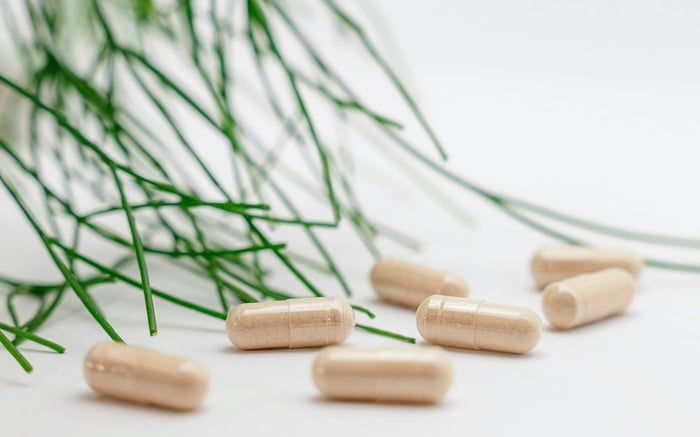
Support your vaginal pH naturally. Boric acid suppositories have been used for decades to help maintain healthy vaginal pH. They work by creating an environment where beneficial bacteria can thrive and yeast can't party as hard.
Probiotics specifically for vaginal health. Look for strains like Lactobacillus rhamnosus and Lactobacillus reuteri. These aren't the same probiotics you'd take for gut health.
Cotton underwear and loose-fitting clothes. I know, groundbreaking advice. But seriously — synthetic fabrics and tight clothing create a yeast-friendly sauna situation.
Avoid douches and scented products. Your vagina is self-cleaning. Those "feminine hygiene" products often do more harm than good.
The Mistakes That Keep You Stuck
Mistake #1: Treating symptoms instead of the cause. Antifungal cream might clear up this infection, but if your pH is still off, you'll be back here in a month.
Mistake #2: Assuming all discharge is a yeast infection. Bacterial vaginosis can cause similar symptoms but needs different treatment. When in doubt, get tested.
Mistake #3: Stopping treatment too early. Just because symptoms disappear doesn't mean the infection is completely gone.
Mistake #4: Not addressing underlying factors. If you're taking antibiotics regularly or have uncontrolled diabetes, you need to work with your healthcare provider on the bigger picture.
When to See Your Doctor
You need medical attention if:
- This is your first yeast infection (get it properly diagnosed)
- You have four or more infections per year
- Symptoms don't improve after 3-7 days of treatment
- You develop fever or pelvic pain
- You're pregnant
- You have a compromised immune system
Don't let anyone dismiss your concerns as "just aging" or "normal." Frequent yeast infections can signal underlying health issues that deserve attention.
Frequently Asked Questions
Can stress cause white chunky discharge yeast infections?
Chronic stress weakens your immune system and can disrupt your vaginal microbiome. High cortisol levels also affect your body's ability to maintain healthy pH balance.
Why do I keep getting yeast infections after my period?
Menstrual blood raises vaginal pH temporarily. If your body's natural pH recovery system isn't working optimally, yeast can take advantage of that window.
Is it normal for discharge to be really thick and chunky?
While thick, white discharge is classic for yeast infections, extremely chunky discharge that looks like cottage cheese usually indicates a more significant overgrowth that needs attention.
Can I prevent yeast infections naturally?
Supporting healthy vaginal pH, wearing breathable fabrics, avoiding unnecessary antibiotics, and managing blood sugar can all help prevent recurring infections.
How long does it take for discharge to return to normal?
With proper treatment, symptoms typically improve within 1-3 days, and discharge should normalize within a week. If it doesn't, follow up with your healthcare provider.
Explore Our Products
Flower Power offers hormone-free supplements to help balance pH, eliminate odor, and increase moisture — all backed by our 90-day money-back guarantee.
These statements have not been evaluated by the Food and Drug Administration. This product is not intended to diagnose, treat, cure, or prevent any disease.
You Deserve Better Than Band-Aid Solutions
Dealing with recurring white chunky discharge yeast infections isn't just about uncomfortable symptoms. It's about feeling confident in your own body again.
You don't have to accept that "this is just how it is now." Your body wants to be balanced. Sometimes it just needs the right support to get there.
Whether that's addressing pH imbalance, supporting your microbiome, or working with a healthcare provider who takes your concerns seriously — you have options.
Trust your instincts. You know your body better than anyone else.
Sources
- Centers for Disease Control and Prevention. Vaginal Candidiasis. https://www.cdc.gov/fungal/diseases/candidiasis/genital/
- American College of Obstetricians and Gynecologists. Vaginitis: Frequently Asked Questions. https://www.acog.org/womens-health/faqs/vaginitis
- Mayo Clinic. Yeast infection (vaginal). https://www.mayoclinic.org/diseases-conditions/yeast-infection/symptoms-causes/syc-20378999
- National Institutes of Health. Vaginal pH and Microbiome. https://www.ncbi.nlm.nih.gov/pmc/articles/PMC4514977/