


You heard it. Maybe from your teenager. Maybe you read it online.
And now you're wondering: what is vart, exactly?
Here's the thing — it's not just another silly internet word. It's actually describing something real that many of us deal with but rarely talk about openly.
Let me break this down for you.
What Vart Actually Means
"Vart" is slang for vaginal gas — those little pockets of air that get trapped and then release from your vagina.
It's not the same as intestinal gas. There's no smell. No digestive involvement. Just air that got pushed in during physical activity and needs to find its way back out.
Think of it like a gentle whoosh rather than anything dramatic. Your vagina is essentially releasing trapped air, kind of like when you open a sealed container.
This happens to women of all ages. But as we get older, changes in our pelvic floor and vaginal tissues can make it more noticeable.
Why This Happens (Especially After Menopause)
Your pelvic floor muscles support your bladder, uterus, and rectum. After menopause, declining estrogen affects these muscles' tone and strength.
The vaginal walls also become thinner and less elastic. This creates more space where air can get trapped during movement, exercise, or intimate moments.
It's completely normal. Your body isn't broken or malfunctioning.
Here are the most common triggers:
- Exercise (especially yoga, Pilates, or anything involving bending)
- Getting up from sitting or lying down
- Coughing or sneezing
- Intimate activities
Simple Ways to Manage Vaginal Gas
You can't prevent it entirely — and you shouldn't try to. But there are ways to reduce frequency and feel more comfortable.
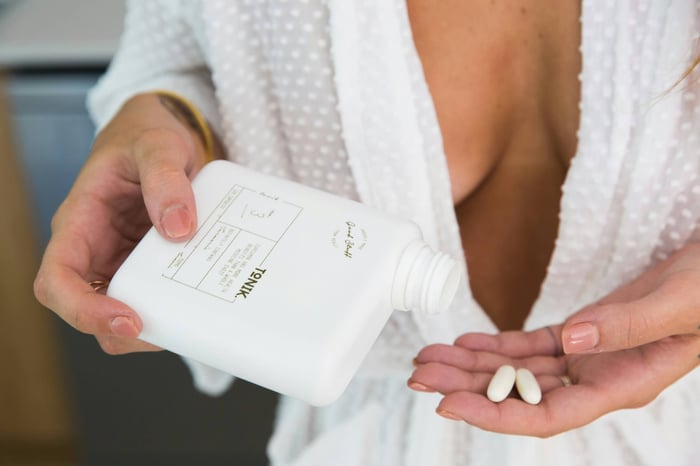
Strengthen Your Pelvic Floor Kegel exercises help tone the muscles that support your pelvic organs. Contract like you're stopping urine flow, hold for 3 seconds, release. Repeat 10-15 times, three times daily.
Explore Natural Feminine Health Support
Flower Power offers hormone-free supplements designed for women's intimate wellness.
Move Mindfully During Exercise Transition slowly between positions during yoga or stretching. Quick movements can push more air in.Stay Hydrated Proper hydration keeps vaginal tissues healthier and more elastic.
When to Talk to Your Doctor
Most vaginal gas is completely normal. But sometimes it signals something worth checking out.Schedule an appointment if you notice:
- Sudden increase in frequency
- Vaginal gas accompanied by unusual discharge
- Pelvic pain or pressure
- Difficulty controlling other bodily functions
- Any concerns about pelvic organ prolapse
Your doctor can assess your pelvic floor health and recommend specific treatments if needed. Don't feel embarrassed — they've heard it all before.
Frequently Asked Questions
Is vaginal gas the same as regular gas?
No. Vaginal gas is just trapped air releasing from your vagina. It doesn't involve your digestive system, has no odor, and isn't related to what you eat.
Does this mean something is wrong with my pelvic floor?
Not necessarily. While pelvic floor changes can contribute to vaginal gas, it happens to women with perfectly healthy pelvic floors too. It's often just physics — air goes in, air comes out.
Can I prevent it completely?
Probably not, and you shouldn't worry about it. Some amount of vaginal gas is normal body function. Focus on overall pelvic health rather than trying to eliminate something natural.
Should I be embarrassed about this?
Absolutely not. Your body is working exactly as it's designed to. Anyone who makes you feel bad about normal bodily functions isn't worth your energy.
The Bottom Line on What Is Vart
Now you know what vart actually means — and that it's just your body being a body.
Vaginal gas is normal, common, and nothing to stress about. Your changing pelvic floor after menopause might make it more noticeable, but it's not a sign that anything is wrong with you.
Focus on maintaining your overall pelvic health through gentle exercise and staying hydrated. And remember — this is just one more thing that connects you to millions of other women who are navigating similar experiences.
You're not alone in this. And you're definitely not broken.
Sources
- American College of Obstetricians and Gynecologists - Pelvic Floor Disorders
- Mayo Clinic - Kegel Exercises for Women
- National Institute on Aging - Menopause: What to Expect
Explore Our Products
Flower Power offers hormone-free supplements to help balance pH, eliminate odor, and increase moisture — all backed by our 90-day money-back guarantee.
These statements have not been evaluated by the Food and Drug Administration. This product is not intended to diagnose, treat, cure, or prevent any disease.