



You're Not Broken. Your Body Is Responding.
If you've noticed that intercourse has become painful or impossible since menopause, you're not alone. And more importantly: you're not imagining it, and your doctor dismissing it as "just part of aging" doesn't make it less real.
Vaginismus after menopause is your pelvic floor muscles involuntarily tensing or contracting in response to what your body perceives as a threat. The reason? Hormonal shifts are real, tissue changes are real, and your nervous system is reacting to both. This isn't a character flaw. It's not psychological weakness. It's your body doing what it thinks it needs to do to protect itself.
And it's fixable.
What Is Vaginismus After Menopause?
Vaginismus is an involuntary contraction of the muscles around the vaginal opening. Think of it as your pelvic floor clenching defensively — sometimes so much that penetration feels impossible or causes sharp, burning pain.
Before menopause, you might have experienced this around stress or anxiety. But vaginismus after menopause has a different root cause: the dramatic drop in estrogen.
Here's what happens. Estrogen keeps vaginal tissues thick, elastic, and well-lubricated. When estrogen plummets, those tissues thin out. They become drier. And when your body senses that tissues are thinned and dry, your nervous system interprets penetration as a potential injury. So your pelvic floor clamps down to protect you.
You're not overreacting. Your body is doing exactly what it's been programmed to do.
Why This Matters (And Why It's Not "Just Aging")
If your doctor told you vaginismus after menopause is something you just have to live with, I want to be direct: that's incomplete medical guidance.
Yes, hormonal shifts are a natural part of aging. But that doesn't mean you have to accept painful intercourse or complete loss of sexual function. The fact that it's "normal" doesn't make it acceptable to ignore.
Beyond the physical pain, vaginismus can affect your relationship, your self-image, and your confidence. Some women describe feeling grief over this loss. Others feel shame. Many feel both.
You deserve support that addresses the root cause, not a prescription pad and a shrug.
How Vaginismus After Menopause Develops
The pathway is usually this:
Estrogen drops. Vaginal tissue thins and loses elasticity. Natural lubrication decreases.
Your nervous system detects threat. When tissues sense dryness and thinning, nerve endings send "warning" signals to your brain.
Your pelvic floor responds. To protect against perceived injury, the muscles around the vaginal opening contract involuntarily. Over time, this becomes a conditioned response — sometimes so strong that even the idea of penetration triggers the clench.
A cycle forms. Pain leads to anxiety. Anxiety leads to more muscle tension. More tension leads to more pain.
Breaking this cycle requires a two-pronged approach: supporting tissue health from the inside out and calming your nervous system.
Solutions: Inside-Out and Outside-In
The most effective approach combines physical support with nervous system regulation.
Inside-Out Support: Addressing the Root Cause
Restoring vaginal tissue health starts with supporting your body's natural estrogen metabolism. Your gut bacteria — specifically your estrobolome — play a surprisingly important role in how your body processes and recycles estrogen.
Slippery elm, a plant-based ingredient, works by supporting your gut lining. When your gut lining is healthy, your estrobolome functions optimally. This helps your body maintain better estrogen balance, which supports vaginal tissue hydration and elasticity naturally.
Unlike topical solutions that only address the surface, this approach helps your body produce its own moisture again.
Looking for natural moisture support?
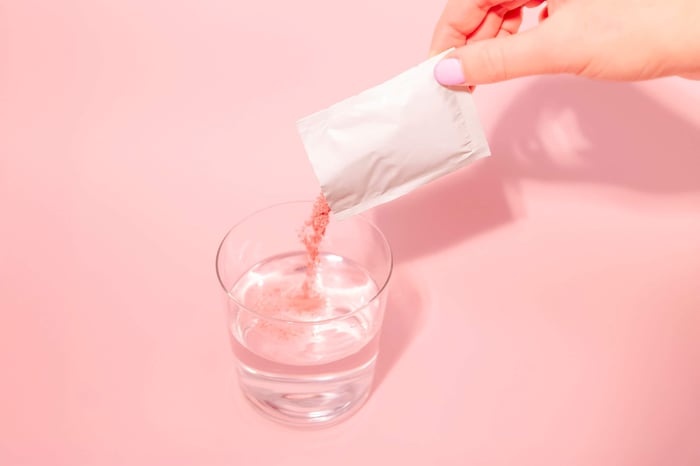
'She Juicy' is a hormone-free supplement made with spring-harvested slippery elm bark, designed to support your body's natural moisture from the inside out.
Outside-In Support: Pelvic Floor Rehabilitation
Physical therapy with a pelvic floor specialist can be transformative. A trained therapist can teach you:
- Breathing techniques to relax the pelvic floor
- Gentle stretching to release tension
- Progressive desensitization to rebuild confidence
- How to recognize and interrupt the clench-pain-anxiety cycle
This isn't just "doing Kegels." (In fact, Kegels can make vaginismus worse if your pelvic floor is already too tight.) A specialist will teach you how to release and relax, not strengthen.
Emotional and Nervous System Work
Your vaginismus after menopause isn't "all in your head" — but your nervous system absolutely plays a role. Some women benefit from:
- Somatic therapy or trauma-informed approaches
- Mindfulness practices
- Sex therapy focused on rebuilding intimacy without pressure
- Open conversations with your partner about what's happening
Common Mistakes Women Make (And How to Avoid Them)
Assuming it's permanent. Vaginismus after menopause is highly treatable. You're not stuck with this forever.
Pushing through the pain. Forcing penetration actually reinforces the protective clench. Gentleness and patience work faster.
Ignoring the emotional piece. If you've internalized shame or grief about this, that's affecting your nervous system. Therapy or counseling isn't a luxury — it's part of effective treatment.
Going it alone. Your partner's understanding and support matter. If you haven't talked about what's happening, that silence can make the anxiety worse.
Waiting to see your doctor. The sooner you get professional support, the faster you can break the cycle.
When to See Your Doctor
This is important: vaginismus after menopause needs professional evaluation.
See your gynecologist or pelvic health specialist if you're experiencing:
- Painful intercourse (dyspareunia)
- Involuntary muscle tightening during attempted penetration
- Inability to have penetrative sex
- Pain that's lasted more than a few weeks
- Significant anxiety or distress around sexual activity
Your doctor should rule out other causes (like infections, vulvodynia, or dermatological issues) and may refer you to a pelvic floor physical therapist. If you're a breast cancer survivor concerned about hormone-free options, mention that upfront.
Frequently Asked Questions
Is vaginismus after menopause the same as vaginal dryness?
Not exactly. Vaginal dryness is the cause. Vaginismus is your pelvic floor's response to that dryness. You can have dryness without vaginismus, but vaginismus after menopause almost always involves some degree of tissue thinning and reduced lubrication.
Will HRT fix vaginismus after menopause?
Systemic HRT can help restore estrogen levels, which supports tissue health and reduces dryness. For some women, this alone resolves the issue. But if the anxiety or muscle tension has become deeply conditioned, HRT alone may not be enough — you might still need pelvic floor physical therapy.
If you're a breast cancer survivor or prefer hormone-free options, other approaches (like internal support for natural moisture plus pelvic floor therapy) can be very effective. Always discuss with your oncologist if applicable.
How long does it take to recover?
This varies. Some women see improvement in weeks with a combination of physical therapy and moisture support. Others need several months of consistent work. The key is consistency and patience — your pelvic floor learned this response over time, and it will unlearn it over time.
Can I use topical treatments for vaginismus after menopause?
Topical lubricants and moisturizers can help in the moment and reduce friction during healing. But they don't address the root cause — the involuntary muscle clenching and tissue thinning. They're useful in combination with systemic support and pelvic floor work, not instead of it.
Is sex possible again?
Yes. Most women with vaginismus after menopause who get appropriate treatment can return to pain-free intercourse. Recovery looks different for everyone, but it is possible.
The Path Forward
Vaginismus after menopause isn't something you caused, and it isn't something you have to live with.
What it requires is:
- Support for your tissue health from the inside out (like slippery elm-based supplements designed to support natural moisture)
- Professional pelvic floor physical therapy
- Attention to the emotional and nervous system components
- Patience and consistency
- A partner who understands what's happening
You deserve sexual health and intimacy in this chapter of your life. Not shame. Not dismissal. Not forced acceptance of pain.
Explore Our Products
Flower Power offers hormone-free supplements to help balance pH, eliminate odor, and increase moisture — all backed by our 90-day money-back guarantee.
These statements have not been evaluated by the Food and Drug Administration. This product is not intended to diagnose, treat, cure, or prevent any disease.
Individual results may vary. If you are a breast cancer survivor or have concerns about any supplement, consult your oncologist before starting.
Sources
- American College of Obstetricians and Gynecologists (ACOG). "Genitourinary Syndrome of Menopause." ACOG Practice Bulletin, 2022.
- National Institutes of Health. "Vaginismus: Definition, Classification, and Management." NIH Research, National Library of Medicine, 2021.
- Mayo Clinic. "Vaginismus: Symptoms and Causes." Mayo Clinic Patient Resources, 2023.
- American Physical Therapy Association. "Pelvic Health Specialist Directory and Treatment Approaches." APTA Pelvic Health, 2023.