


Your Doctor Probably Didn't Tell You About This
You're postmenopausal. Your body feels like a desert. And when you mentioned it to your doctor, they either offered you a prescription you didn't want or said it was "just aging" and moved on.
So you started googling. Vaginal wetness pills. Pills for vaginal wetness. Supplements. Anything that might feel like your body again.
Here's the thing: you're not crazy for wanting to explore options. Vaginal dryness is real, it affects your quality of life, and it's absolutely worth addressing. The challenge is figuring out what actually works—and what's just marketing hype.
This guide walks you through how vaginal wetness pills work, what to look for, and which ones are worth trying.
What Are Vaginal Wetness Pills, Really?
Vaginal wetness pills are oral supplements designed to support your body's natural moisture production from the inside out.
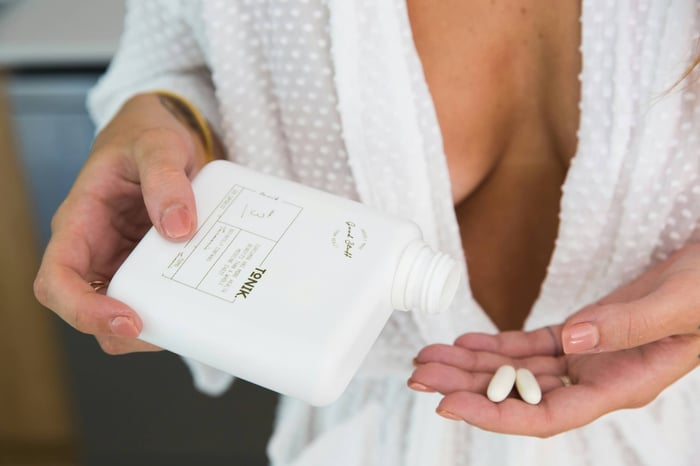
Unlike topical lubricants (which are temporary, external fixes), these supplements work systemically. They target the mechanisms that create moisture in the first place—usually by supporting hormone metabolism, vaginal tissue health, or the bacteria that help regulate vaginal pH and hydration.
The key word here: support. These aren't drugs. They're not going to override your biology overnight. But they can nudge your body back toward functioning more like it did before.
Why This Matters More Than You Think
Vaginal dryness isn't just uncomfortable (though that's reason enough). It affects your sex life, your confidence, your daily comfort, and sometimes even your ability to exercise or wear certain clothes without irritation.
And here's what your doctor might not have emphasized: the tissues down there are directly connected to your estrogen metabolism. When your body's estrogen availability drops after menopause, everything dries up. Literally.
Topical solutions help in the moment. But if you want sustainable moisture, you need to support the system that creates it.
That's where vaginal wetness pills come in.
How Vaginal Wetness Pills Actually Work (The Science Part)
Different supplements work through different pathways. Here are the main mechanisms:
The Estrobolome Route
Your gut bacteria (the estrobolome) play a massive role in estrogen metabolism. When your microbiome is out of balance, estrogen circulates less efficiently—and guess what dries up first?
Some vaginal wetness supplements use slippery elm bark, a plant with mucilage that coats and supports gut lining health. A healthier gut lining can better support estrogen recirculation, which means more estrogen reaching vaginal tissues, which means more natural moisture.
The Plant Estrogen Route
Other supplements use phytoestrogens (plant compounds that mimic estrogen's effects slightly) like red clover, sage, or black cohosh. These don't replace estrogen—they just give your cells a gentle nudge.
The Tissue Support Route
Some formulas focus on hydration at the cellular level, using hyaluronic acid or marine collagen to help vaginal tissue retain moisture from the inside.
Most effective formulas combine approaches. One ingredient addresses the microbiome, another supports tissue elasticity, a third encourages natural lubrication.
What to Look For in Vaginal Wetness Pills
Not all vaginal wetness supplements are created equal. Here's your filter:
Hormone-Free Is Non-Negotiable
If you're a breast cancer survivor or simply not interested in hormones, make sure your supplement contains no synthetic hormones, bio-identical hormones, or prescription-strength phytoestrogens. Read the label. Ask before you buy.
Spring-Harvested, Cold-Processed Matters
If slippery elm is in the formula, timing and temperature matter. Spring-harvested bark during peak potency (a narrow 12-week window) is significantly more potent than year-round harvest. And cold processing below 45°C preserves the active compounds that heat destroys.
If the label doesn't specify when or how it was processed, it's probably not optimized.
Look for Third-Party Testing
You want NSF, USP, or ConsumerLab certification. These mean an independent lab verified what's actually in the bottle matches the label.
Avoid One-Ingredient Formulas
Vaginal health is complex. Single-ingredient supplements rarely address the full picture. Look for formulas that combine gut support, tissue support, and hydration in one.
Looking for natural moisture support?
'She Juicy' is a hormone-free supplement made with spring-harvested slippery elm bark, designed to support your body's natural moisture from the inside out.
Common Mistakes Women Make With Vaginal Wetness Supplements
Expecting Overnight Results
Your body didn't dry up overnight. It won't rehydrate overnight either. Most women need 6-8 weeks to notice real change. Some need 12. That's normal.
Using Inconsistently
Supplements only work if you actually take them. Two to three capsules daily. Every day. Not when you remember. This is about rebuilding your system, not treating a symptom.
Mixing Too Many Things
I get it—you want to fix this fast. But adding five new supplements at once means you won't know what actually worked. Start with one. Give it 8 weeks. Then add if needed.
Ignoring Gut Health Otherwise
A vaginal wetness pill can't out-work a terrible diet or constant stress. If you're eating processed food and skipping sleep, no supplement is going to be powerful enough. Basic gut support—fiber, water, fermented foods—matters.
Forgetting That Topical Support Still Helps
Even if you're taking vaginal wetness pills, there's nothing wrong with using a non-hormonal lubricant during sex. The supplement supports overall moisture; the lubricant handles the moment. They work together.
When to See Your Doctor
Before starting any supplement, especially if you have:
- A history of hormone-sensitive cancer (consult your oncologist)
- Chronic pelvic pain or vulvodynia
- Persistent vaginal itching, burning, or unusual discharge
- Recurrent yeast infections or bacterial vaginosis
Your doctor isn't your enemy here—they're your safety net. Run the ingredient list by them. Let them know you're exploring options. A good doctor will support informed choices; a dismissive one might be worth replacing.
Frequently Asked Questions
What about pills for vaginal wetness—are they all the same?
No. Some are hormone-free (plant-based), others contain phytoestrogens, and a few contain low-dose estrogen. The mechanism matters. If hormones are a dealbreaker for you, read the label carefully and ask the brand directly.
What about wetness supplement for women—how do I know if it's right for me?
Start with honest assessment: Is your dryness mild (occasional discomfort) or severe (affecting sex, exercise, daily comfort)? Mild cases often respond well to supplements alone. Severe cases might need a combination approach—supplements plus topical support plus lifestyle changes. Your gynecologist can help you baseline the severity.
How long does slippery elm take to work for wetness?
Most women notice changes between 6-12 weeks, with two to three capsules daily. Some see results in 4 weeks; others need 16. Your age, diet, hydration, stress level, and how severe your dryness is all affect the timeline. Consistency matters more than speed.
The Bottom Line
Vaginal wetness pills aren't a miracle cure. They're a tool—one that actually works if you pick the right one and give it time.
The most important thing? You deserve to feel comfortable in your own body. Your post-menopausal years don't have to mean accepting dryness as inevitable. Plenty of women have rebuilt natural moisture using targeted supplements, and so can you.
Start with a hormone-free option. Look for clinical backing (slippery elm, in particular, has the strongest research). Commit to 8-12 weeks. And remember: if your current doctor won't listen to your concerns, there's another one who will.
Explore Our Products
Flower Power offers hormone-free supplements to help balance pH, eliminate odor, and increase moisture — all backed by our 90-day money-back guarantee.
These statements have not been evaluated by the Food and Drug Administration. This product is not intended to diagnose, treat, cure, or prevent any disease.
Sources
- Mayo Clinic. "Vaginal atrophy." Mayo Clinic. https://www.mayoclinic.org/diseases-conditions/vaginal-atrophy/symptoms-causes/syc-20352288
- National Center for Complementary and Integrative Health (NCCIH). "Slippery Elm." NIH. https://www.nccih.nih.gov/health/slippery-elm
- American College of Obstetricians and Gynecologists (ACOG). "Genitourinary Syndrome of Menopause." ACOG. https://www.acog.org/clinical/clinical-guidance/practice-bulletin
- Faubion, S. S., et al. "Genitourinary syndrome of menopause: Management strategies for the clinician." Climacteric, 2017. https://pubmed.ncbi.nlm.nih.gov/29098902/