


You've Been Standing in That CVS Aisle Way Too Long
You're staring at rows of tubes and bottles, trying to figure out the vaginal moisturizer vs lubricant question. Again.
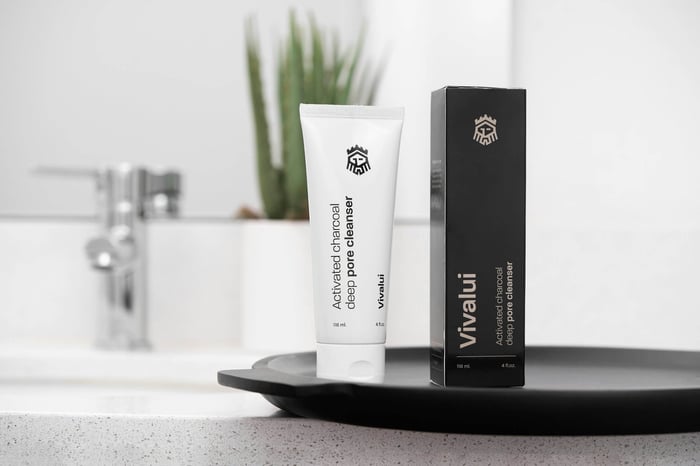
The packaging promises relief. The price tags make you wince. And honestly? You're tired of throwing money at products that work for maybe a week before you're right back where you started.
I get it. You've probably tried half the products on that shelf. Maybe your doctor handed you a sample and said "try this" without really explaining what you're dealing with or why it's happening.
Let's cut through the marketing fluff and talk about what actually works.
What's Really Going On Down There?
Here's what nobody tells you: vaginal dryness isn't just about needing more moisture. It's about why your body stopped making its own.
After menopause, estrogen levels drop dramatically. This affects the vaginal tissues in ways that go way deeper than surface dryness. The tissue becomes thinner, less elastic, and produces less of its own natural lubrication.
Your vaginal pH also shifts from acidic (around 4.5) to more alkaline (closer to 7). This changes your entire vaginal ecosystem. The good bacteria that used to keep things balanced? They struggle in this new environment.
So when you're choosing between a moisturizer and a lubricant, you're really choosing between two different approaches to the same underlying problem.
Why This Matters More Than You Think
This isn't just about comfort during sex (though that matters too).
Vaginal dryness can affect your daily life. Walking, sitting, wearing certain clothes. That constant awareness that something isn't right.
And here's the thing nobody warns you about: it often gets worse if you don't address it. The tissue changes can become more pronounced over time.
You deserve to feel comfortable in your own body. Full stop.
The Real Difference Between Moisturizers and Lubricants
Lubricants work in the moment. They're designed for immediate relief during sex or intimacy. Think of them like lip balm - they create a temporary barrier and slip, but they don't change what's happening with your tissue underneath.
Most lubricants are water-based, silicone-based, or oil-based. They wash away or absorb within hours. If you need relief right now, they can help. But tomorrow? You're back to square one.
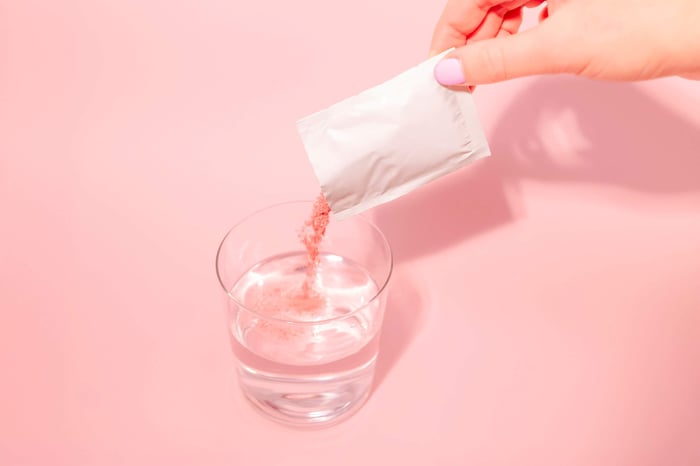
Vaginal moisturizers are designed to work longer-term. They're meant to be applied regularly (usually every few days) whether you're having sex or not. They're supposed to help maintain tissue health and moisture levels over time.
The good ones contain ingredients like hyaluronic acid or glycerin that can hold water and help tissues retain moisture. But here's the catch: they're still working from the outside in.
Looking for natural moisture support?
She Juicy™ is a hormone-free supplement made with spring-harvested slippery elm bark, designed to support your body's natural moisture from the inside out.
What to Actually Look For (And What to Avoid)
In a good vaginal moisturizer:
- pH-balanced (ideally around 4.5)
- Free from glycerin if you're prone to infections
- Hyaluronic acid for moisture retention
- No harsh fragrances or dyes
- Hormone-free if you're avoiding estrogen
In a good lubricant:
- Water-based for easy cleanup and compatibility with condoms
- No numbing agents (you want to feel what's happening)
- No warming or cooling additives if you have sensitive skin
- Osmolality close to your body's natural fluids
Red flags for both:
- Glycerin (can feed bad bacteria and cause infections)
- Parabens (hormone disruptors)
- Nonoxynol-9 (can cause irritation)
- Anything that promises to "tighten" (usually just dries you out more)
The Mistakes That Keep You Stuck
Mistake #1: Using them interchangeably A lubricant won't solve chronic dryness. A moisturizer won't give you enough slip for comfortable sex. You might need both, or you might need a completely different approach.
Mistake #2: Expecting immediate miracles Good vaginal moisturizers take time to work. We're talking weeks, not hours. If you try something for three days and give up, you're not giving it a fair shot.
Mistake #3: Ignoring the inside-out approach Everything you've tried so far probably works from the outside in. But what if the real solution is supporting your body's ability to create its own moisture from the inside out?
Your gut health affects your estrogen metabolism. Your estrogen metabolism affects your vaginal tissue health. It's all connected.
When to See Your Doctor
If you're dealing with burning, itching, unusual discharge, or pain during urination along with dryness, see your healthcare provider. These could be signs of infection or other conditions that need medical attention.
Also check in if over-the-counter options aren't helping after 6-8 weeks of consistent use, or if you're experiencing pain during sex that doesn't improve with adequate lubrication.
If you're a cancer survivor, especially breast cancer, always consult your oncologist before starting any new products, even natural ones.
Frequently Asked Questions
Can I use both a moisturizer and lubricant?
Yes, many women do. Use the moisturizer regularly for ongoing moisture support and the lubricant as needed for sexual activity. Just make sure they're compatible (both water-based is usually safest).
How often should I use vaginal moisturizer?
Most are designed for use 2-3 times per week, but follow the product instructions. Some women need daily application initially, then can reduce frequency as their moisture levels improve.
Are natural oils safe to use as lubricants?
Coconut oil and other natural oils can be effective, but they break down latex condoms and can disrupt your vaginal pH. They may also increase infection risk for some women.
Will these products interfere with my partner?
Quality products shouldn't cause irritation for your partner, but everyone's different. Start with small amounts and see how you both respond.
Can I use regular lotion down there?
No. Vaginal tissue is much more delicate than your skin, and regular lotions aren't pH-balanced for that area. They can cause irritation or infections.
Explore Our Products
Flower Power offers hormone-free supplements to help balance pH, eliminate odor, and increase moisture — all backed by our 90-day money-back guarantee.
These statements have not been evaluated by the Food and Drug Administration. This product is not intended to diagnose, treat, cure, or prevent any disease.
The vaginal moisturizer vs lubricant debate doesn't have to leave you confused in that CVS aisle anymore. You now know the difference, what to look for, and what to avoid.
Remember: you're not broken. Your body is responding normally to hormonal changes. And there are solutions - both topical and systemic - that can help you feel like yourself again.
Trust your instincts. If something isn't working, try something else. You deserve to be comfortable.
Sources
- North American Menopause Society. "The role of local vaginal estrogen for treatment of vaginal atrophy in postmenopausal women." Menopause, 2013.
- American College of Obstetricians and Gynecologists. "Genitourinary Syndrome of Menopause." Committee Opinion No. 659, 2016.
- Krychman, Michael, et al. "Effect of Single-Use Vaginal Moisturizers on Vaginal Dryness." Journal of Women's Health, 2019.
- Sturdee, David W., and Panay, Nick. "Recommendations for the management of postmenopausal vaginal atrophy." Climacteric, 2010.