



You're Not Losing Your Mind
If you've noticed your pubic hair is thinning, changing texture, or disappearing altogether, you're not alone. And no — you're not imagining it.
A lot happens to your body during and after menopause. Hair loss in the pubic region is one of those quiet changes doctors don't always talk about, which means you might be sitting there wondering if something's actually wrong.
Here's the truth: a non hairy vagina (or a less hairy one) is incredibly common. But that doesn't mean you shouldn't understand why it's happening — or what you can do about it.
What's Actually Happening With a Non Hairy Vagina
Your pubic hair is directly tied to estrogen. When estrogen drops during menopause — and stays low after — your body literally produces less hair in that region.
It's the same reason your hair thins everywhere else. Your skin becomes thinner and drier. Your hair follicles slow down. And that includes the hair "down there."
But here's what most women don't realize: the hair loss is connected to bigger changes happening in your vaginal health. Lower estrogen doesn't just affect hair. It affects moisture, pH balance, and tissue elasticity.
So if you're noticing a non hairy vagina, you might also be experiencing dryness, irritation, or that frustrated feeling that nothing feels quite right anymore.
Why This Matters (And It Does)
Your pubic hair serves a purpose — it's protective. It helps regulate temperature, reduces friction, and supports your skin barrier.
When that changes, your entire vulvovaginal region shifts. And because estrogen is involved, it's not just a cosmetic thing.
Here's what else often shows up: dryness that won't quit, irritation from underwear that never bothered you before, a change in vaginal pH that makes you prone to infections, and yes — sometimes that frustrating lack of natural moisture when you want it.
A non hairy vagina is a sign that your estrogen levels are low. That's actually useful information.
The Bigger Picture: Vaginal pH and Moisture
When estrogen drops, so does your vaginal acidity. Your body naturally produces a protective acid that keeps bad bacteria out.
Lower estrogen = less acidic environment = higher risk of infections and irritation.
This is where pH balance becomes crucial. And it's also why some women turn to vagina wet pills or other supplements designed to support the body's natural moisture production from the inside out.
The key difference is this: topical solutions sit on the surface. They don't address the root cause.
Real, lasting change happens when you support your body's own ability to regulate pH and produce moisture naturally.
How to Support Your Vaginal Health (Beyond the Hair)
If you're dealing with a non hairy vagina plus dryness, the approach should be holistic.
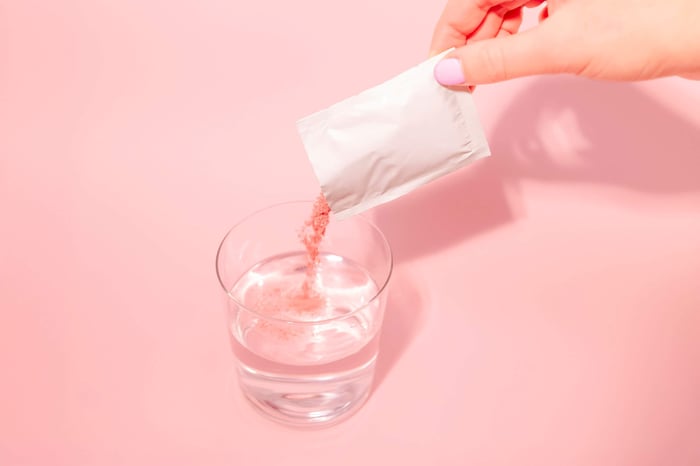
Start with hydration and pH balance. Your vaginal environment depends on estrogen to maintain acidity and natural moisture. When estrogen is low, supporting that balance becomes essential.
Look at your whole routine. Douching, scented products, and tight fabrics all make things worse. Stick to warm water for external cleaning. Choose breathable underwear. And skip anything scented — it disrupts your natural balance.
Consider what you're eating. Your gut health directly impacts your vaginal health. The bacteria in your gut (your estrobolome) helps your body regulate estrogen metabolism. Foods that support gut health — fiber, fermented foods, healthy fats — matter.
Explore Natural Feminine Health Support
Flower Power offers hormone-free supplements designed for women's intimate wellness.
What to Look For in Solutions
If you're exploring vagina wet pills or other supplements for dryness and moisture support, here's what actually matters:
Ingredient transparency. You should know exactly what's in it and why. Vague proprietary blends don't cut it.
Hormone-free formulas. If you're a breast cancer survivor or simply prefer to avoid synthetic hormones, this is non-negotiable. Your body can support itself without adding hormones.
Realistic claims. Anyone promising overnight results is selling you something. Real change takes 30-90 days as your body rebalances.
Proof of safety. Natural doesn't automatically mean safe. Look for third-party testing and sourcing information.
The best solutions work with your body, not against it. They support the systems that are already trying to do their job.
Common Mistakes Women Make
Mistake #1: Ignoring the connection between hair loss and overall vaginal health.
A non hairy vagina is a signal. Your body is telling you something shifted. Instead of treating it as just cosmetic, use it as a reason to check in on your full vaginal health — moisture, pH, irritation.
Mistake #2: Only using topical solutions.
External creams feel good in the moment. But they don't fix the underlying pH imbalance or support your body's natural moisture production. You need to address what's happening inside.
Mistake #3: Thinking this is just "part of aging" you have to accept.
You don't. There are real, science-backed ways to support your body's natural balance. You're not stuck with dryness, irritation, and a non hairy vagina because you're 55.
Mistake #4: Using products with ingredients that disrupt your pH further.
Douches, scented washes, and harsh soaps kill the good bacteria that protect you. They make the acidic vagina problem worse, not better.
When to See Your Doctor
If you're experiencing pubic hair loss plus persistent burning, unusual discharge, frequent infections, or severe dryness that interferes with daily life, talk to your gynecologist.
Sometimes hair loss can signal thyroid issues, nutritional deficiencies, or other health changes worth ruling out. Your doctor can help determine if your symptoms need investigation or if it's simply menopause-related changes.
You should also consult your doctor if you're considering any new supplement regimen, especially if you take other medications or have a history of hormone-sensitive cancers.
FAQ
What about vagina wet pills?
Vagina wet pills are supplements designed to support your body's natural moisture production. The best ones work systemically — meaning they address the root cause (low estrogen affecting your body's ability to produce its own lubrication) rather than just adding moisture from the outside. Look for formulas that support pH balance and use clinically-studied ingredients.
What about acidic vagina?
An acidic vagina is actually healthy — that acidity (typically pH 3.8-4.5) protects you from bad bacteria and infections. When estrogen drops, your vagina becomes less acidic, which causes problems. If you're experiencing symptoms related to acidity changes, supporting your body's natural pH balance is key, not trying to make your vagina more acidic artificially.
What about acidity in vagina?
Acidity in vagina refers to your body's natural pH balance. This environment is maintained by estrogen and the good bacteria living there. During menopause, lower estrogen means less acidity, which increases irritation and infection risk. Supporting your body's ability to maintain healthy pH through nutrition, hydration, and targeted supplements helps restore balance naturally.
What about acidity of the vagina?
The acidity of the vagina is your body's natural defense system. It keeps harmful bacteria out and supports healthy flora. When you're postmenopausal and estrogen is low, the acidity of the vagina decreases, making you more susceptible to infections and irritation. The solution is supporting your body's natural ability to maintain this protective acidic environment, not fighting against it.
What about acidity of vagina?
Supporting the acidity of vagina means working with your body's natural systems rather than against them. Since estrogen directly impacts pH, approaches that support your body's estrogen metabolism — like gut health, targeted supplementation, and lifestyle changes — help restore natural acidity naturally. This is a systemic approach rather than a topical fix.
What about acidity vagina?
Acidity vagina health depends on estrogen and the bacteria in your gut (your estrobolome). When estrogen drops, your natural acidity drops, creating an environment where irritation and infections thrive. Supporting acidity vagina health means addressing the root cause: your body's ability to regulate estrogen metabolism and maintain natural pH balance from the inside out.
The Bottom Line
A non hairy vagina is your body's way of telling you something has shifted. It's not something to ignore — or to feel embarrassed about.
Use it as information. It's connected to everything else happening in your vaginal health: dryness, pH changes, irritation, and your body's ability to produce its own natural moisture.
The good news? This isn't something you're stuck with. Your body still has tools to work with. You just need to support it the right way.
Explore Our Products
Flower Power offers hormone-free supplements to help balance pH, eliminate odor, and increase moisture — all backed by our 90-day money-back guarantee.
These statements have not been evaluated by the Food and Drug Administration. This product is not intended to diagnose, treat, cure, or prevent any disease.
Sources
- Mayo Clinic. "Menopausal Hot Flashes: Relief Options." https://www.mayoclinic.org/diseases-conditions/hot-flashes/diagnosis-treatment/drc-20372790
- American College of Obstetricians and Gynecologists (ACOG). "The Menopause Years." https://www.acog.org/
- National Institute on Aging. "Menopause: Time for a Change." https://www.nia.nih.gov/health/menopause-time-change
- Wolff, E. F., et al. "Prevalence of Vaginal Dryness Among Postmenopausal Women." The Journal of Sexual Medicine, 2013.