



You're Not Broken
Your doctor probably didn't have much to say about it. Maybe she nodded sympathetically and said something like, "That's just menopause." And you left feeling dismissed.
But here's what I want you to know: low libido after menopause is real. It's not in your head. And it's absolutely worth paying attention to—not because you "should" want sex (that pressure is garbage), but because desire and pleasure are part of what makes you you.
Let's talk about what's actually happening in your body, why it matters, and what you can genuinely do about it.
What Low Libido After Menopause Actually Is
Low libido after menopause isn't just "not feeling like it." It's often a shift in desire, arousal, sensitivity, or all three happening at once.
Some women describe it as the urge just... vanishing. Others say the physical sensation feels muted—like watching sex through frosted glass. And many notice that what used to feel good doesn't land the same way anymore.
The tricky part? Low libido after menopause shows up differently for every woman. There's no one "normal" to compare yourself to. Your version is your version.
Why This Happens (The Real Physiology)
Your estrogen dropped. You know this already. But here's the part doctors often skip: estrogen wasn't just about hot flashes.
It was feeding your vaginal tissue. It was keeping nerves responsive. It was supporting blood flow exactly where you needed it. When estrogen declined, so did the moisture, elasticity, and sensitivity in that whole area.
Add in dryness, and sex becomes uncomfortable or even painful. Your brain does what brains do: it decides sex isn't worth it. Libido tanks.
But it goes deeper than that. Estrogen also supported your gut's estrobolome—the bacteria that helps regulate estrogen metabolism throughout your entire body. When your estrobolome shifted, your whole hormonal ecosystem shifted.
This isn't something a topical cream alone can fix. Your body needs systemic support.
Why This Matters (Beyond the Bedroom)
I'm not going to tell you that you need to want sex. That's not what this is about.
But desire and pleasure are connected to your sense of self, your relationship satisfaction, and yes—your physical health. Loss of libido can bring grief, disconnection from your partner, and a creeping feeling that this version of yourself is just... permanent.
It doesn't have to be.
How Your Body Can Reclaim Natural Moisture (Inside-Out)
Here's where most solutions get it wrong: they work from the outside in. A topical cream sits on the surface. It helps temporarily, but it doesn't address why the dryness happened in the first place.
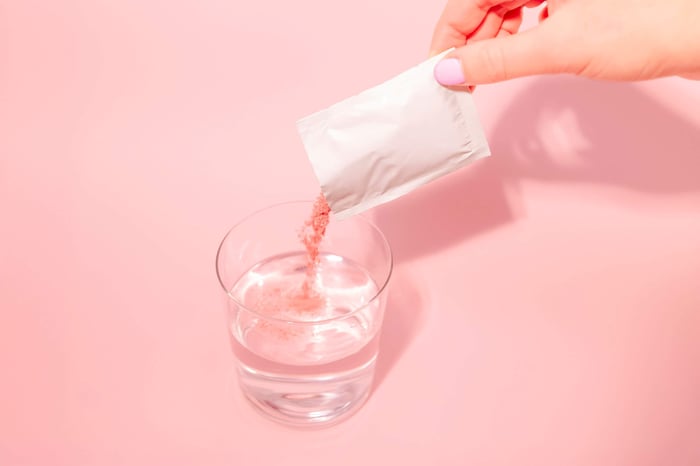
Your body needs support from within.
This is where spring-harvested slippery elm comes in. The inner bark contains mucilage—a natural compound that coats your gut lining and supports your estrobolome. When your estrobolome is healthy, it helps regulate estrogen metabolism more efficiently. Better estrogen regulation means your vaginal tissue gets the hormonal signals it needs to maintain its own natural moisture.
Your body starts doing what it's supposed to do again—from the inside out.
Looking for natural moisture support?
'She Juicy' is a hormone-free supplement made with spring-harvested slippery elm bark, designed to support your body's natural moisture from the inside out.
What to Look For When Exploring Solutions
If you're thinking about trying something—whether it's a supplement, a topical, or working with a therapist—here's what matters:
Hormone-free. If you've been through breast cancer or you're just not comfortable with hormones, you need options that work without them. Plant-based, systemic support exists. Over 51,000 women have found it makes a real difference.
Inside-out, not surface-level. Yes, topicals have a place. But if you want lasting change, your gut health and estrobolome matter more than most doctors admit.
Consistency. Whatever you choose, give it time. Your body didn't shift overnight; it won't shift overnight either. Most women notice real changes in 4-6 weeks of consistent use.
Real ingredients, real sourcing. If the label is vague or the ingredient list reads like a chemistry experiment, move on. You deserve to know exactly what you're putting in your body.
Common Mistakes Women Make
Thinking topicals are the only answer. They help, but they're temporary. If you want to address low libido after menopause at the root, you need systemic support.
Waiting for sex to hurt before doing anything. Pain and dryness are connected—and they feed each other. Address moisture now, before it becomes painful.
Assuming this is permanent. It's not. Your body is incredibly responsive when you give it what it needs.
Ignoring the emotional piece. Low libido often has a relationship component too. Sometimes you need to talk to a therapist and support your body with supplements. Both matter.
Giving up too fast. If you try something for two weeks and expect miracles, you'll be disappointed. Stick with it. Your body is re-learning how to regulate itself.
When to See Your Doctor
You should talk to your doctor if:
- You're experiencing pain during intercourse that doesn't improve with moisture support
- Your libido change came suddenly (not gradually with menopause)
- You're on medications that might be affecting desire (thyroid meds, antidepressants, blood pressure drugs all play a role)
- You're dealing with relationship distress or depression alongside low libido
- You've had a history of breast cancer or are at risk (always consult your oncologist before starting any supplement)
Your doctor isn't the only expert here. But she's part of the conversation, especially if something doesn't feel right.
Frequently Asked Questions
Is low libido after menopause permanent?
No. It's a response to hormonal and physiological changes—and those changes can be supported. It takes time and the right approach, but many women see real shifts in desire and sensation once they address the root cause.
Will topical solutions fix low libido after menopause?
They can help with dryness and comfort, which removes a barrier to pleasure. But they don't address the systemic estrobolome support your body needs. For lasting change, most women need both topical relief and internal support.
Do I need to go back on HRT?
Not unless you want to. There are hormone-free options that work by supporting your body's own natural processes instead of replacing hormones. Talk to your doctor about what's right for you.
How long does it take to see results?
Most women start noticing changes in 4-6 weeks of consistent use. Some feel it faster. Individual results may vary, and your body's timeline is your body's timeline.
Can I use this if I've had breast cancer?
Always consult with your oncologist before starting any supplement. They know your specific situation and can guide you toward options that feel safe for you.
Is this the same as taking estrogen?
No. Supplements like slippery elm work by supporting your estrobolome and your body's own natural processes—not by introducing external hormones. It's a completely different mechanism.
You Get to Decide What Comes Next
Low libido after menopause is not a life sentence. It's not something you just accept because you're "supposed to" at this age.
Your body has the capacity to reclaim natural moisture, sensitivity, and desire—if you give it the right support. That might be systemic supplements, topical solutions, therapy, relationship work, or all of the above.
The point is: you're not broken. You're not overreacting. And you absolutely deserve a solution that actually works.
Explore Our Products
Flower Power offers hormone-free supplements to help balance pH, eliminate odor, and increase moisture — all backed by our 90-day money-back guarantee.
These statements have not been evaluated by the Food and Drug Administration. This product is not intended to diagnose, treat, cure, or prevent any disease. Individual results may vary.
Sources
- American College of Obstetricians and Gynecologists (ACOG). "Genitourinary Syndrome of Menopause." Clinical Practice Guidelines, 2022.
- National Institutes of Health (NIH). "Estrobolome and Estrogen Metabolism." Office of Dietary Supplements, 2023.
- Mayo Clinic. "Sexual Dysfunction in Women." Women's Health, 2023.
- Journal of Sexual Medicine. "Vaginal Atrophy and Sexual Function in Postmenopausal Women." Peer-reviewed clinical findings, 2022.