



You're Not Imagining It — And You're Not Alone
That fishy smell. The discharge that makes you paranoid about sitting too close to anyone. The burning that has you crossing your legs in meetings.
You've Googled "can BV go away on its own" at 2 AM, haven't you? Maybe you're hoping it'll just... disappear. Or maybe you're tired of the antibiotic merry-go-round that seems to make things worse.
Here's the truth: BV rarely resolves completely on its own. But understanding why it keeps coming back — and what actually helps — can change everything.
What Bacterial Vaginosis Really Is (And Why It's So Stubborn)
BV isn't just an infection you "catch." It's your vaginal ecosystem gone haywire.
Your vagina is supposed to be slightly acidic (pH 3.5-4.5). When that pH gets knocked off balance, the protective lactobacilli bacteria can't do their job. The "bad" bacteria multiply. Chaos ensues.
Think of it like a garden. When the soil pH is wrong, weeds take over and the good plants struggle.
The tricky part? BV symptoms can come and go. You might feel better for a few days or even weeks. But unless you address the underlying pH imbalance, it usually returns.
Why This Matters More After Menopause
If you're dealing with recurrent BV in your 50s or 60s, you're fighting an uphill battle. And it's not your fault.
Estrogen helps maintain that protective acidic environment. After menopause, estrogen plummets. Your vaginal pH becomes more alkaline. The lactobacilli struggle.
It's like trying to grow tomatoes in sand. The conditions just aren't right anymore.
Add stress, certain medications, or even bubble baths to the mix, and your pH balance gets knocked around even more. No wonder nothing seems to work long-term.
How to Actually Support Your Body's Natural Balance
Here's what most doctors don't tell you: treating BV isn't just about killing bacteria. It's about creating an environment where the good bacteria can thrive again.
pH balance is everything. When your vaginal pH is in the right range, lactobacilli naturally crowd out the problematic bacteria. Your body does what it's designed to do.
The gut connection matters too. Your vaginal microbiome and gut microbiome talk to each other. Supporting digestive health can help maintain vaginal balance.
Consistency beats intensity. Small, daily habits that support pH balance work better than aggressive treatments that disrupt everything.
Want to support your vaginal pH naturally?
Flower Power's boric acid suppositories are GMP-certified, made in the USA, and trusted by thousands of women.
What to Look For in pH-Balancing Support
Not all boric acid supplements are created equal. Here's what matters when you're choosing pH support:
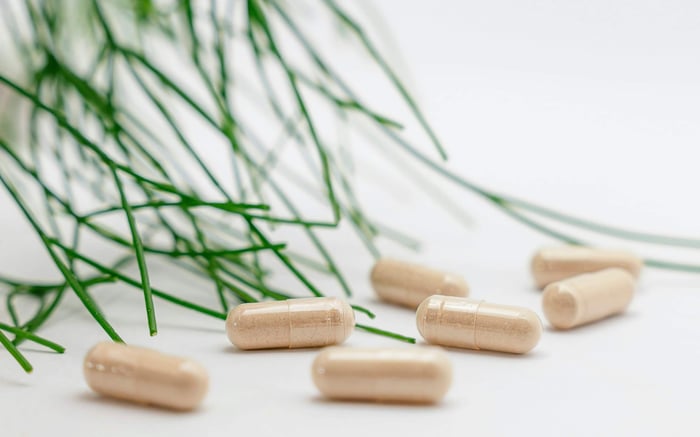
Dosage consistency. Look for 600mg suppositories — that's the amount most commonly studied for pH balance support.
Quality standards. Choose products that are GMP-certified and third-party tested. Your vaginal health deserves pharmaceutical-grade quality.
Proper packaging. Boric acid can absorb moisture from the air, which affects potency. Look for individual packaging or moisture-resistant containers.
Clear instructions. You should know exactly how and when to use the product, plus when to consult your healthcare provider.
Common Mistakes That Keep BV Coming Back
You're probably doing some things that unknowingly feed the problem. Don't beat yourself up — most women make these mistakes because nobody explains the science.
Overwashing. Those "feminine hygiene" products? They're often too harsh and disrupt your pH even more. Warm water is usually enough.
Douching or using scented products. I know the smell makes you want to mask it, but fragrances and douches make BV worse by killing beneficial bacteria.
Taking probiotics without addressing pH. Probiotics can help, but if your pH is still too alkaline, those good bacteria can't colonize properly.
Stopping support too early. Just because symptoms improve doesn't mean your microbiome is fully balanced. Consistency is key.
When to See Your Doctor
While natural pH support can be incredibly helpful, there are times when you need professional care:
- Symptoms persist for more than two weeks despite supportive measures
- You develop pelvic pain, fever, or unusual bleeding
- You're pregnant or trying to conceive
- You have a history of pelvic inflammatory disease
- Your symptoms keep returning monthly
Your doctor can rule out other conditions and may recommend prescription treatments alongside natural supportive measures.
If you're a cancer survivor, especially breast cancer, always consult your oncologist before trying any new supplements or treatments.
Frequently Asked Questions
Can BV go away on its own without treatment?
Occasionally, mild BV symptoms may improve temporarily on their own, especially if the pH disruption was minor and short-term. However, complete resolution without addressing the underlying pH imbalance is rare. Most women find their symptoms return unless they take steps to support their vaginal ecosystem.
How long does it take for BV to resolve naturally?
There's no set timeline because "naturally" resolving BV typically requires some form of pH support, whether through diet, lifestyle changes, or gentle supplementation. With consistent pH-balancing support, many women see improvement within 1-2 weeks, but it can take 4-6 weeks to fully restore balance.
Why does my BV keep coming back after antibiotics?
Antibiotics kill both harmful and beneficial bacteria, often leaving your vaginal pH still disrupted. Without restoring the proper acidic environment and beneficial lactobacilli, problematic bacteria often return. This is why many women experience recurring BV despite multiple antibiotic courses.
Can stress cause BV to return?
Yes, chronic stress can affect your immune system and hormone balance, which in turn can disrupt your vaginal pH. Stress management techniques, along with pH-balancing support, can help prevent recurrence.
Is it safe to use boric acid suppositories with recurring BV?
Boric acid suppositories are generally considered safe for most women when used as directed to support healthy pH balance. However, they're not recommended during pregnancy, and you should consult your healthcare provider if you have any underlying health conditions or if symptoms persist.
You Have More Control Than You Think
Can BV go away on its own? The short answer is: it's unlikely without some form of support.
But here's the empowering truth: you have more control over your vaginal health than you've been told. Understanding pH balance, choosing quality supportive products, and working with your body's natural systems can make all the difference.
You don't have to accept recurring BV as "just part of aging." With the right approach, many women find they can maintain better vaginal balance and feel confident in their bodies again.
Explore Our Products
Flower Power offers hormone-free supplements to help balance pH, eliminate odor, and increase moisture — all backed by our 90-day money-back guarantee.
*These statements have not been evaluated by the Food and Drug Administration. This product is not intended to diagnose, treat, cure, or prevent any disease.
Individual results may vary. Always consult with your healthcare provider before starting any new supplement regimen.
Sources
- National Institutes of Health. "Bacterial Vaginosis - CDC Fact Sheet." https://www.cdc.gov/std/bv/stdfact-bacterial-vaginosis.htm
- American College of Obstetricians and Gynecologists. "Vaginitis: Frequently Asked Questions." https://www.acog.org/womens-health/faqs/vaginitis
- Mayo Clinic. "Bacterial Vaginosis." https://www.mayoclinic.org/diseases-conditions/bacterial-vaginosis/symptoms-causes/syc-20352279
- Journal of Women's Health. "Recurrent Bacterial Vaginosis: The Need for Long-term Treatment Strategies." https://www.liebertpub.com/doi/10.1089/jwh.2020.8828